
Do Breathing Problems Improve After Quitting Smoking?
Breathe Easy: How Quitting Smoking Can Alleviate Breathing Issues

Introduction: Smoking has long been recognized as a significant risk factor for various respiratory conditions. Many smokers are curious about the potential improvements in their breathing after quitting. This article delves into the topic of whether breathing problems improve after quitting smoking, providing insights based on scientific research and expert opinions.
Section 1: Understanding Smoking-Related Breathing Problems Smoking damages the lungs and respiratory system, leading to several breathing issues. Common conditions include chronic bronchitis, emphysema, and chronic obstructive pulmonary disease (COPD). These conditions can cause symptoms such as shortness of breath, coughing, and wheezing.
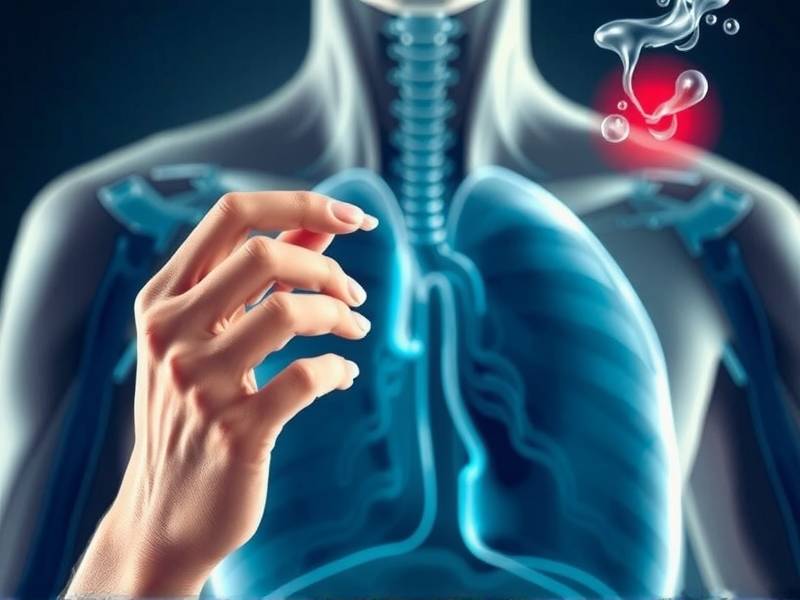
Section 2: The Impact of Quitting Smoking on Breathing Research indicates that quitting smoking can significantly improve breathing problems in many individuals. The process begins almost immediately after quitting:
- Within 48 hours: Carbon monoxide levels in the blood drop to normal.
- Within 2-3 weeks: Coughing and shortness of breath may decrease as the body clears out mucus.
- Within 3-9 months: Bronchial tubes begin to relax, leading to improved lung function.
- Within 1-2 years: Risk of heart attack is reduced by half compared to continuing smokers.
- Within 5 years: Risk of stroke is reduced by half compared to continuing smokers.
- Within 10 years: Risk of cancer of the mouth, throat, esophagus, and bladder decreases significantly.
Section 3: Factors Influencing Improvement in Breathing Problems While quitting smoking can lead to significant improvements in breathing problems for many individuals, it's essential to consider other factors that may influence the rate and extent of improvement:
- Severity of smoking history: Individuals who smoked heavily for a longer duration may experience more gradual improvements.
- Existing health conditions: People with pre-existing respiratory issues may notice slower improvement compared to those without such conditions.
- Environmental factors: Exposure to secondhand smoke or pollutants can hinder recovery.
Conclusion: Quitting smoking can significantly improve breathing problems for many individuals. While the rate and extent of improvement may vary depending on individual factors, it's clear that giving up smoking is a crucial step towards better lung health and overall well-being. For those struggling with respiratory issues related to smoking, seeking professional advice and support is highly recommended throughout their quit journey.