
How Does Quitting Smoking Affect Your Heart?
Unveiling the Heart's Journey: The Impact of Quitting Smoking
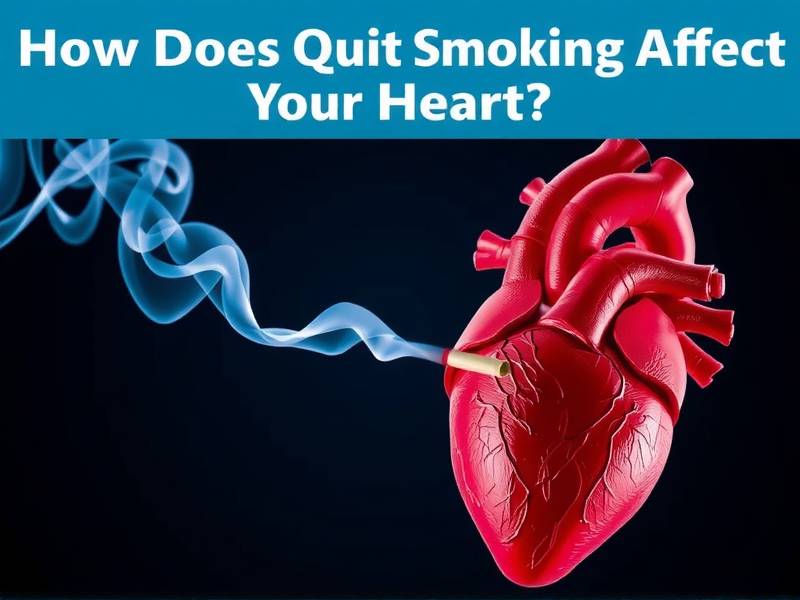
Introduction: The heart is the cornerstone of our health, tirelessly working to pump blood throughout our bodies. Smoking, however, has long been recognized as a silent enemy to the heart's well-being. This article delves into how quitting smoking can positively impact your heart, offering hope and motivation to those on their journey towards a smoke-free life.
Understanding the Damage: How Smoking Affects Your Heart

-
Cardiovascular Risk Smoking is a leading cause of cardiovascular diseases (CVDs). It damages the lining of your arteries, leading to plaque buildup and narrowing of blood vessels. This can result in high blood pressure, chest pain (angina), heart attack, stroke, and other serious conditions.
-
Hemodynamic Changes The chemicals in cigarettes cause your heart rate and blood pressure to rise. Over time, this chronic elevation can lead to hypertension and weaken the heart muscle.
-
Oxygen Deprivation Carbon monoxide in cigarette smoke binds to hemoglobin more effectively than oxygen does. This means less oxygen reaches your organs and tissues, including your heart.
The Heart's Recovery: Benefits of Quitting Smoking
-
Improved Blood Flow Within just 24 hours of quitting smoking, your heart rate and blood pressure begin to decrease as your body starts healing from the damage caused by nicotine.
-
Increased Oxygen Supply Within 12 weeks after quitting smoking, your circulation improves significantly as your lungs clear out mucus and debris accumulated from smoking.
-
Reduced Risk of Heart Disease Studies have shown that within 5-15 years after quitting smoking, the risk of coronary heart disease decreases significantly compared to that of continuing smokers.
-
Long-term Health Benefits Quitting smoking also reduces the risk of developing various forms of cancer, including lung cancer – a significant benefit for overall health.
Tips for Successful Quitting
-
Set Clear Goals Determine why you want to quit and set specific goals with a timeline in mind.
-
Seek Support Surround yourself with supportive friends and family members or consider joining a support group for added motivation.
-
Nicotine Replacement Therapy (NRT) or Medications Consult with a healthcare professional about NRT options or prescription medications that can help reduce withdrawal symptoms.
-
Stay Active Regular exercise can help manage stress and improve overall cardiovascular health.
Conclusion: Quitting smoking is not just about breaking a habit; it's about giving your heart a second chance at health and longevity. By understanding the negative impacts of smoking on the heart and embracing healthy lifestyle changes, you can pave the way for a healthier future. So take that first step today – for yourself and for those who love you!