
How to Lower the Risk of Lung Cancer After Quitting Smoking
"Navigating the Path to a Healthier Life: Reducing Lung Cancer Risk Post-Quitting Smoking"
Introduction: The journey to quitting smoking is a monumental step towards improving one's health. However, even after successfully breaking the habit, the lingering risk of lung cancer remains a concern. This article delves into practical strategies and insights on how to lower the risk of lung cancer after quitting smoking, providing you with the knowledge to safeguard your lungs and overall well-being.
Understanding the Risks It's crucial to recognize that while quitting smoking is a significant step in reducing lung cancer risk, it does not eliminate it entirely. The body continues to heal from the years of exposure to harmful chemicals in tobacco smoke.
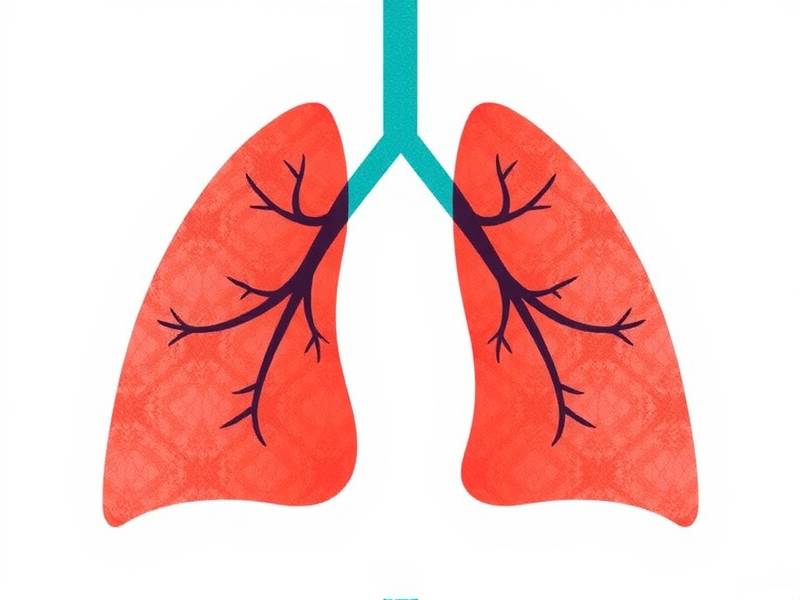
Adopting a Healthy Diet A balanced diet rich in fruits, vegetables, and whole grains can play a vital role in reducing lung cancer risk. According to the American Cancer Society, antioxidants found in these foods can help protect cells from damage caused by free radicals.
Incorporate These Foods into Your Diet:

- Berries: High in antioxidants like vitamin C and flavonoids.
- Leafy Greens: Contain folate, which may reduce DNA damage.
- Tomatoes: Rich in lycopene, known for its anti-inflammatory properties.
Regular Physical Activity Physical activity not only helps maintain a healthy weight but also improves cardiovascular health and boosts immune function. Aim for at least 150 minutes of moderate aerobic activity or 75 minutes of vigorous activity each week.
Activities You Can Enjoy:
- Walking: A simple yet effective way to stay active.
- Swimming: Provides an excellent full-body workout.
- Cycling: Great for cardiovascular health and muscle strength.
Breathing Exercises Breathing exercises can help improve lung capacity and reduce respiratory symptoms. Practices such as diaphragmatic breathing can enhance oxygenation and relaxation.
Try These Breathing Exercises:
- Deep Breathing: Inhale deeply through your nose and exhale slowly through your mouth.
- Pursed Lip Breathing: Inhale deeply through your nose and exhale slowly through pursed lips as if blowing out candles.
Avoiding Secondhand Smoke Continuously exposing yourself to secondhand smoke can increase your risk of lung cancer. Avoid environments where smoking is prevalent, such as bars or restaurants that allow smoking indoors.
Regular Check-ups Schedule regular medical check-ups with your healthcare provider. They can monitor your lung health and detect any early signs of lung cancer or other respiratory conditions.
Conclusion: Quitting smoking is just the beginning of a new chapter in your life. By adopting these strategies, you can significantly lower your risk of developing lung cancer post-quitting. Remember that every step you take towards better health is a step towards a brighter future.