
What Percentage of People Use Drugs to Quit Smoking? A Comprehensive Look at the Methods and Challen
Unveiling the Truth: What Percentage of Smokers Turn to Drugs for Quitting? A Deep Dive into Methods and Challenges
Introduction: The quest for quitting smoking has led countless individuals to explore various methods, including the use of drugs. But how many smokers actually turn to medication to break their nicotine addiction? This article delves into the percentage of people who use drugs to quit smoking, examines the methods employed, and highlights the challenges faced along the way.
I. The Percentage of Smokers Using Drugs for Quitting Smoking: Research indicates that a significant percentage of smokers opt for drug-based treatments to quit smoking. However, determining an exact figure can be challenging due to varying methodologies and definitions used in different studies. Some estimates suggest that around 30-40% of smokers choose medication as their primary quitting aid.
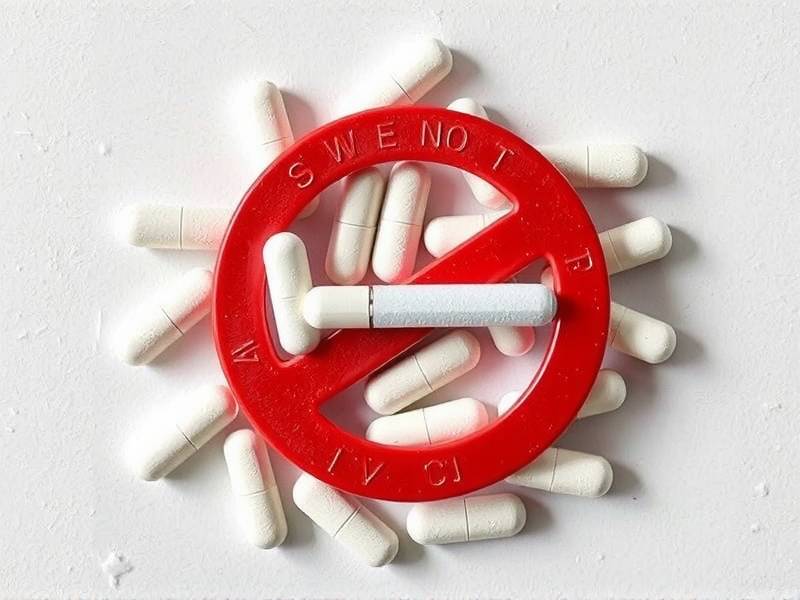
II. Methods Employed in Drug-Based Quitting Programs: Several medications have been developed to help smokers quit, each with its own mechanism of action:
A. Nicotine Replacement Therapies (NRT): NRTs include patches, gum, lozenges, inhalers, and nasal sprays that provide a controlled dose of nicotine to alleviate withdrawal symptoms.
B. Non-Nicotine Medications: These include prescription medications like varenicline (Chantix) and bupropion (Zyban), which target specific brain receptors involved in nicotine addiction.
C. Combination Therapy: Combining NRTs with non-nicotine medications can enhance quit rates in some individuals.
III. Challenges Faced by Smokers Using Drugs for Quitting: While drug-based treatments offer hope for many smokers, they come with their own set of challenges:
A. Side Effects: Some medications may cause side effects such as nausea, headache, insomnia, and mood changes.
B. Relapse Risk: Smokers who use drugs may still face a high risk of relapse due to underlying psychological factors.
C. Cost and Accessibility: The cost of medications can be a barrier for some individuals, while access to certain treatments may be limited in certain regions.
Conclusion: Using drugs as a means to quit smoking has helped numerous individuals break their addiction. However, it's crucial to recognize that quitting smoking is a complex process that requires a multifaceted approach incorporating various methods and support systems. Understanding the percentage of smokers who use drugs for quitting and addressing the challenges they face can help us better support those on their journey towards a smoke-free life.