
Is It Safe to Just Quit Smoking While Pregnant?
Is It Safe to Just Quit Smoking While Pregnant? A Comprehensive Guide
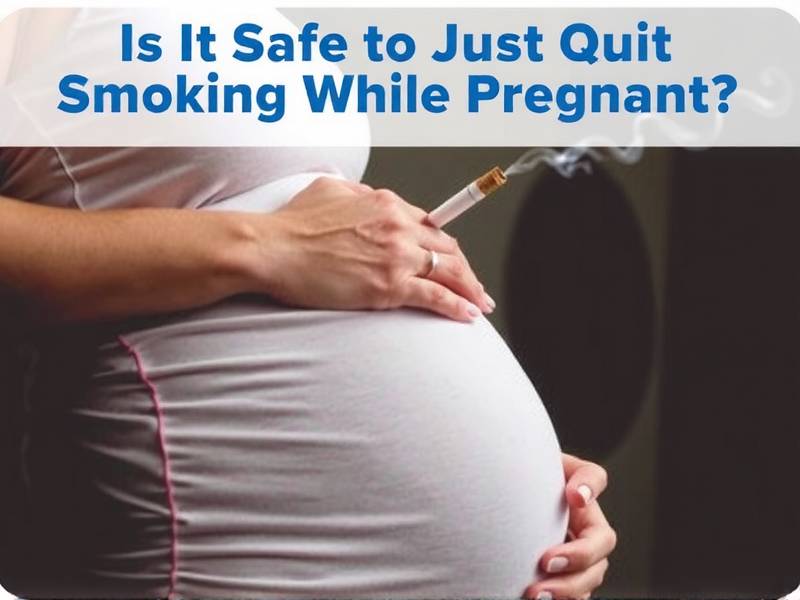
Introduction: Pregnancy is a critical period in a woman's life where she needs to prioritize her health and the well-being of her baby. One of the most significant decisions a pregnant woman can make is to quit smoking. However, many women wonder if it's safe to quit smoking during pregnancy without any medical assistance. In this article, we will delve into the topic and provide you with valuable insights.
Understanding the Risks of Smoking During Pregnancy

Smoking during pregnancy poses several risks to both the mother and the baby. The harmful chemicals in cigarettes can lead to complications such as:
- Preterm birth
- Low birth weight
- Stillbirth
- Sudden infant death syndrome (SIDS)
- Increased risk of respiratory infections in the baby
It's essential for pregnant women to understand these risks and take proactive steps towards quitting smoking.
Is It Safe to Quit Smoking Without Medical Assistance?
Quitting smoking without medical assistance is possible, but it may not be as effective as seeking professional help. Here are some factors to consider:
-
Physical Withdrawal: Quitting smoking can lead to physical withdrawal symptoms like cravings, irritability, and anxiety. While these symptoms are manageable, they can be challenging for some women, especially those who have smoked for a long time.
-
Mental Health: Smoking is often associated with stress relief and relaxation. Quitting cold turkey may leave some women feeling overwhelmed or anxious. Seeking support from healthcare providers or support groups can help manage these emotions.
-
Long-Term Success: Research suggests that individuals who receive medical assistance have a higher chance of quitting successfully compared to those who try quitting on their own.
Seeking Professional Help: A Safer Option
The American College of Obstetricians and Gynecologists (ACOG) recommends that pregnant women seeking to quit smoking should consult their healthcare provider for personalized advice and support. Some common options include:
- Nicotine Replacement Therapy (NRT): NRT includes nicotine gum, patches, lozenges, inhalers, and nasal sprays that can help reduce withdrawal symptoms.
- Medications: Certain prescription medications like bupropion or varenicline can help reduce cravings and withdrawal symptoms.
- Behavioral Support: Counseling sessions or support groups can provide emotional support and coping strategies.
Conclusion:
While it's possible to quit smoking during pregnancy without medical assistance, it's generally safer and more effective to seek professional help. By working with healthcare providers, pregnant women can increase their chances of quitting successfully while ensuring the health of their baby. Remember, every step towards quitting is a step towards a healthier future for both mother and child!