How to Overcome Withdrawal Symptoms When Quitting Smoking: Effective Strategies for Success
How to Overcome Withdrawal Symptoms When Quitting Smoking: Effective Strategies for Success
Introduction: Quitting smoking is a challenging endeavor that requires determination and effective strategies. One of the most difficult aspects of quitting is dealing with withdrawal symptoms. These symptoms can be both physical and psychological, making the journey to a smoke-free life even more demanding. In this article, we will explore effective strategies to help you overcome withdrawal symptoms when quitting smoking, ensuring your success in this life-changing decision.
-
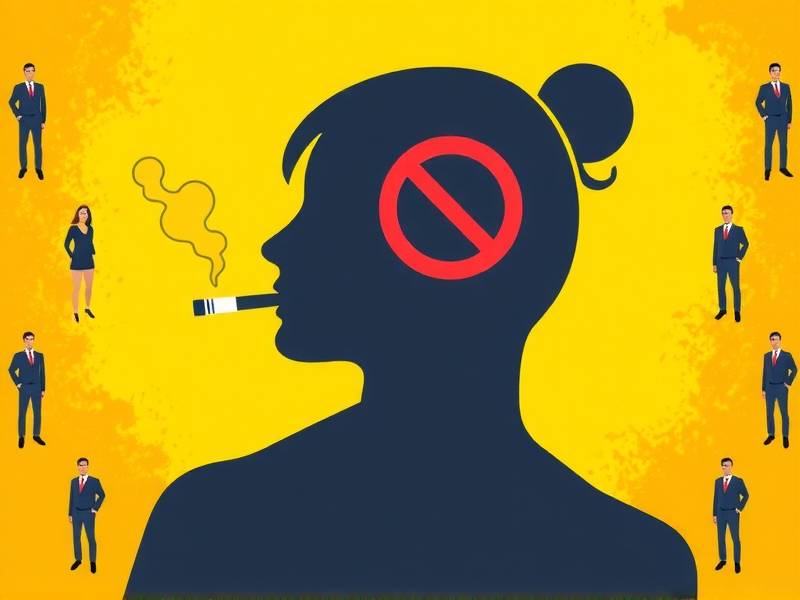
Understanding Withdrawal Symptoms Before we delve into strategies, it's essential to understand the withdrawal symptoms you may experience. Common physical symptoms include cravings, irritability, anxiety, and headaches. Psychological symptoms may include mood swings, difficulty concentrating, and insomnia. Recognizing these symptoms is the first step towards managing them effectively.
-
Create a Support System Quitting smoking becomes much easier when you have a strong support system in place. Surround yourself with friends, family, or colleagues who are supportive of your decision to quit. Consider joining a smoking cessation group or seeking professional help from a therapist or counselor specializing in addiction.
-
Develop a Quitting Plan A well-thought-out quitting plan can significantly increase your chances of success. Start by setting a specific quit date and create a step-by-step plan leading up to that day. This plan should include activities to distract you from cravings and methods to cope with withdrawal symptoms.
-
Stay Active Physical activity can help alleviate withdrawal symptoms and improve your overall well-being during the quitting process. Engage in regular exercise such as walking, jogging, or yoga to boost your mood and reduce stress levels.
-
Identify Triggers Identifying triggers that make you want to smoke is crucial for overcoming withdrawal symptoms effectively. Triggers can be environmental (e.g., bars or restaurants), social (e.g., parties), or emotional (e.g., stress). Once you identify these triggers, develop coping strategies such as deep breathing exercises or chewing gum to distract yourself from the urge to smoke.
-
Utilize Nicotine Replacement Therapy (NRT) Nicotine replacement therapy is an effective strategy for managing withdrawal symptoms by providing small doses of nicotine without the harmful effects of tobacco smoke. Options include nicotine gum, patches, lozenges, inhalers, and nasal sprays.
-
Consider Medications In some cases, prescription medications may be recommended by your healthcare provider to help manage withdrawal symptoms and increase your chances of quitting successfully. These medications include bupropion (Zyban) and varenicline (Chantix).
-
Practice Mindfulness Techniques Mindfulness techniques such as meditation and deep breathing exercises can help reduce stress levels and improve focus during the quitting process. These techniques can also assist in overcoming psychological withdrawal symptoms like irritability and anxiety.
-
Track Your Progress Keeping track of your progress can provide motivation and encouragement throughout your journey towards becoming smoke-free. Use a journal or smartphone app to record your cravings, triggers, coping mechanisms, and any setbacks along the way.
-
Be Patient with Yourself Quitting smoking is not an overnight process; it requires patience and persistence. Understand that setbacks are normal parts of the journey and learn from them rather than giving up entirely.
Conclusion: Overcoming withdrawal symptoms when quitting smoking is an essential component of achieving long-term success in breaking free from tobacco addiction. By understanding these symptoms, creating a support system, developing a quit plan, staying active, identifying triggers, utilizing NRT or medications if necessary, practicing mindfulness techniques, tracking progress, and being patient with yourself; you'll increase your chances of successfully overcoming these challenges on your path towards becoming smoke-free.