
When to Quit Smoking to Avoid Emphysema
When to Quit Smoking to Avoid Emphysema: A Timely Decision for a Healthier Life
Understanding Emphysema: A Chronic Lung Disease
Emphysema is a chronic lung disease that affects the air sacs in the lungs, leading to difficulty in breathing. It is one of the most common forms of chronic obstructive pulmonary disease (COPD). The condition worsens over time, and there's no cure for it. However, quitting smoking can significantly slow down the progression of emphysema and improve your quality of life.
The Importance of Quitting Smoking
Smoking is the leading cause of emphysema. When you smoke, harmful chemicals are inhaled into your lungs. Over time, these chemicals cause damage to the air sacs, leading to emphysema. Quitting smoking can reduce this damage and help prevent further complications.
Timing is Everything
The question often arises: "When should I quit smoking to avoid emphysema?" While there's no specific timeline that guarantees prevention, research suggests that quitting smoking at any age can significantly reduce your risk of developing emphysema.
Immediate Benefits
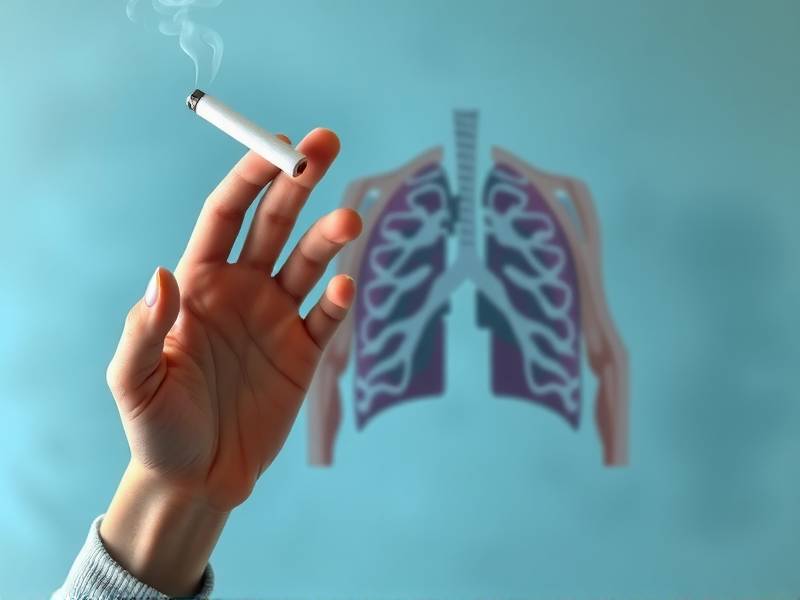
Did you know that just 20 minutes after quitting smoking, your blood pressure drops and your heart rate decreases? Within 48 hours, your chances of experiencing a heart attack decrease significantly. Within two weeks to three months after quitting, you'll notice an improvement in circulation and lung function.
Long-Term Benefits
Quitting smoking within 10 years can halve your risk of dying from lung cancer and other smoking-related diseases. It also slows down the progression of emphysema. However, it's important to note that the sooner you quit, the better your chances are of avoiding severe complications.
Strategies for Quitting Smoking
Quitting smoking is not easy, but with determination and support, it's possible. Here are some strategies that might help:
Seek Professional Help
Many people find it helpful to seek professional help when trying to quit smoking. This may include counseling or joining support groups.
Use Medications
Prescription medications like varenicline or bupropion can help reduce cravings and withdrawal symptoms.
Alternative Therapies
Some people find alternative therapies such as acupuncture or hypnosis helpful in managing cravings.
Stay Active
Regular exercise can help reduce stress and improve lung function. Consider activities like walking, swimming, or yoga.
Conclusion
Emphysema is a serious condition that can be prevented by quitting smoking. While there's no magic timeline for when you should quit, doing so at any age can significantly reduce your risk of developing this chronic lung disease. By adopting healthy habits and seeking support when needed, you can take control of your health and enjoy a better quality of life.