
Can Your Lungs Heal After Quitting Smoking?
Can Your Lungs Heal After Quitting Smoking? A Journey to Better Health
Understanding the Damage of Smoking
Smoking is a well-known health hazard that affects nearly every organ in the body. The lungs, in particular, bear the brunt of this habit. But what happens when you quit? Can your lungs truly heal after years of smoking? Let's delve into this question and explore the potential for lung regeneration.
The Immediate Benefits of Quitting
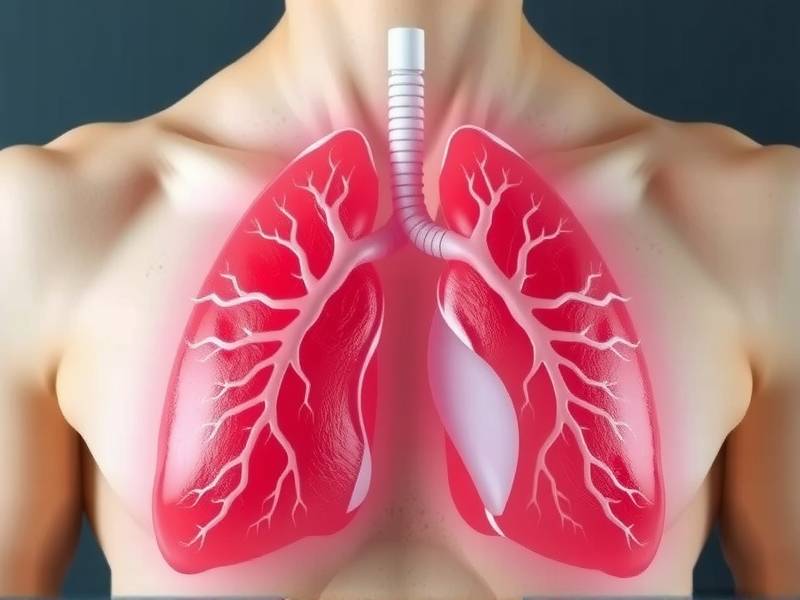
When you quit smoking, your body begins a remarkable process of repair and recovery almost immediately. Within just 48 hours, your carbon monoxide levels drop significantly, and your blood oxygen levels begin to rise. This can lead to improved energy and a better sense of well-being.
The Healing Process Over Time
The healing journey doesn't stop there. Here's a breakdown of what happens to your lungs as time goes on:
Weeks 1-3: Cleaning Out
In the first few weeks after quitting, your body starts to clear out mucus and tar buildup that has accumulated in your lungs. You may experience a cough as your body tries to expel these harmful substances.
Months 1-9: Repairing Damage
Over the next several months, your lungs continue to repair damage caused by smoking. The lining of your airways starts to heal, and inflammation decreases. This can lead to improvements in breathing and a reduction in coughing.
Years 1-5: Improved Lung Function
After about one year of not smoking, many people notice significant improvements in their lung function. The risk of heart disease also starts to decline.
Long-term Benefits: Years 10-20+
Over time, the risk of developing chronic obstructive pulmonary disease (COPD) decreases as well. After about 10 years without smoking, the risk is about half that of a current smoker. After 15 years or more, it's similar to that of someone who has never smoked.
What Can You Do to Speed Up Healing?
While quitting smoking is the most important step towards healing your lungs, there are other things you can do:
- Stay Active: Regular exercise can improve lung function.
- Avoid Secondhand Smoke: Stay away from environments where others are smoking.
- Maintain Good Hygiene: Regular hand washing can help prevent respiratory infections.
- Seek Professional Help: If you're struggling with quitting, consider seeking help from a healthcare professional or support group.
Conclusion: A Promise of Hope
While it's true that some damage caused by smoking may be permanent, there is hope for healing. Your lungs have an incredible capacity for repair when you quit smoking. So if you're considering taking the plunge, know that every day without smoke is a step towards better health.
Remember, it's never too late to start this journey towards cleaner lungs and a healthier life.