
Why Do You Get a Headache After Quitting Smoking?
Understanding the Headache After Quitting Smoking: Causes and Solutions
Introduction: Quitting smoking is a significant step towards a healthier life. However, it's not uncommon to experience withdrawal symptoms, including headaches. If you've recently quit smoking and are experiencing headaches, you're not alone. This article will explore the reasons behind this phenomenon and provide practical solutions to help you manage these headaches.
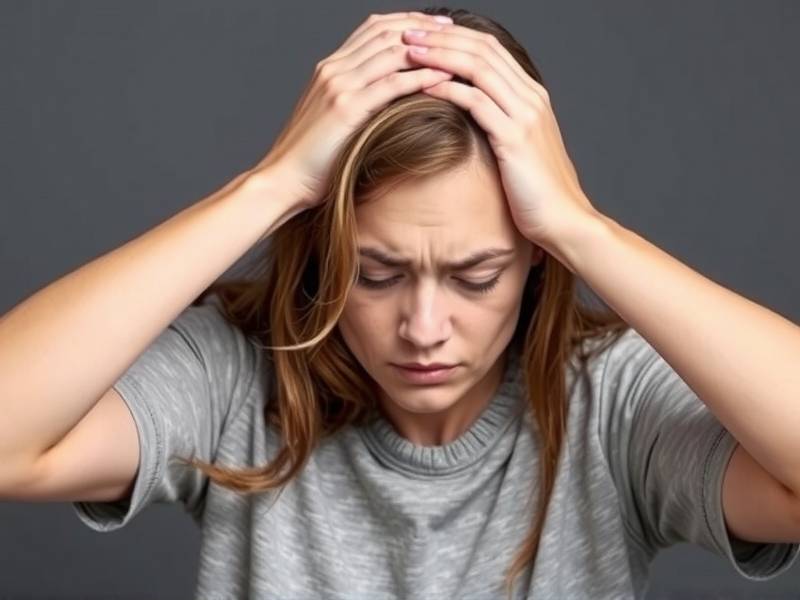
Why Do You Get a Headache After Quitting Smoking?
-
Nicotine Withdrawal Nicotine, the primary addictive substance in cigarettes, affects the brain's neurotransmitter levels. When you quit smoking, your body starts to adjust to the absence of nicotine, leading to withdrawal symptoms. One of these symptoms is a headache.
-
Carbon Monoxide Levels Smoking increases carbon monoxide levels in your blood, which can lead to oxygen deprivation in your body's tissues. Once you stop smoking, your body begins to repair itself and restore normal oxygen levels. This process can cause headaches as your blood vessels dilate and try to deliver more oxygen to your brain.
-
Dehydration Smoking can cause dehydration due to its diuretic effect on the body. When you quit smoking, your body may experience dehydration as it adjusts to the new level of fluid intake. Dehydration can lead to tension headaches.
-
Stress Quitting smoking is a significant lifestyle change that can be stressful for some individuals. Stress can contribute to tension headaches or migraines.
-
Sleep Disturbances Smokers often have irregular sleep patterns due to nicotine's stimulant effects on the nervous system. When you quit smoking, these sleep disturbances may persist or worsen, leading to headaches upon waking up or throughout the day.
How Can You Manage Headaches After Quitting Smoking?
-
Stay Hydrated Increase your water intake and avoid caffeine and alcohol, as they can exacerbate dehydration-related headaches.
-
Gradual Nicotine Replacement Therapy (NRT) Consider using NRT products like nicotine gum or patches if withdrawal symptoms are severe. Gradually reduce your nicotine intake until you completely stop using NRT.
-
Maintain a Consistent Sleep Schedule Establish a regular sleep routine and ensure you get enough restful sleep each night.
-
Manage Stress Engage in stress-reducing activities such as exercise, meditation, or deep breathing exercises.
-
Consult Your Healthcare Provider If headaches persist despite trying these self-care strategies, consult your healthcare provider for further evaluation and guidance.
Conclusion: Headaches after quitting smoking are common but usually temporary symptoms of withdrawal or adjustment by your body's systems. By understanding the causes and implementing appropriate strategies for management, you can overcome this challenge on your journey towards a smoke-free life.