
Does Quitting Smoking Affect Your Vision?
The Impact of Quitting Smoking on Vision Health
Introduction: Smoking has long been recognized as a major risk factor for various health issues, including heart disease, lung cancer, and respiratory problems. However, the impact of quitting smoking on one's vision is a topic that often goes overlooked. In this article, we will explore the potential effects of quitting smoking on vision health and discuss how this lifestyle change can contribute to improved eye health.
1. The Link Between Smoking and Vision Problems
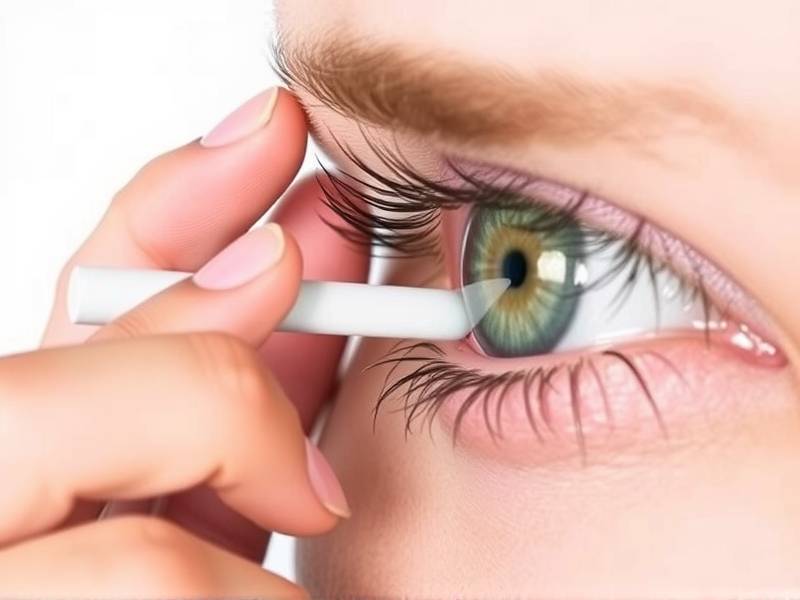
Research has shown that smoking can have detrimental effects on the eyes. The chemicals present in cigarettes can damage the delicate structures within the eye, leading to various vision-related issues. Here are some common vision problems associated with smoking:
- Cataracts: Smoking increases the risk of developing cataracts, which are cloudy areas in the lens of the eye that can lead to blurred vision.
- Age-related Macular Degeneration (AMD): Smoking is a significant risk factor for AMD, a leading cause of blindness in older adults.
- Dry Eye Syndrome: Nicotine in cigarettes can cause dryness in the eyes by reducing tear production.
2. The Benefits of Quitting Smoking for Vision Health
Quitting smoking can have a positive impact on your vision health. Studies have shown that individuals who quit smoking experience improvements in their eye health over time. Here's how quitting smoking can benefit your vision:
- Reduced Risk of Cataracts: Within a few years after quitting, former smokers may experience a reduced risk of developing cataracts compared to continuing smokers.
- Slower Progression of AMD: Quitting smoking may slow down the progression of AMD and reduce the risk of blindness.
- Improved Dry Eye Symptoms: Many individuals who quit smoking report an improvement in their dry eye symptoms due to increased tear production.
3. The Role of Nicotine Replacement Therapy (NRT) in Vision Health

For those struggling to quit smoking, nicotine replacement therapy (NRT) can be an effective tool. NRT products such as gum, patches, and lozenges provide controlled doses of nicotine to help alleviate withdrawal symptoms without the harmful effects of cigarette smoke.
Research has shown that using NRT while quitting smoking may not significantly affect vision health compared to those who do not use NRT. However, it is essential to consult with healthcare professionals before starting any NRT program to ensure it is safe and appropriate for your individual needs.
Conclusion: Quitting smoking can have a significant positive impact on your vision health by reducing the risk of developing serious eye conditions like cataracts and AMD. If you're considering quitting smoking or currently using NRT as part of your quit plan, remember that even small changes towards a smoke-free lifestyle can contribute to improved eye health over time. Talk with your healthcare provider for personalized advice and support throughout your journey towards better vision and overall well-being.