
Can Quitting Smoking Really Cause Lung Infections?
Can Quitting Smoking Really Cause Lung Infections?
Introduction: The decision to quit smoking is a significant step towards improving one's health. However, many smokers are concerned about the potential risks associated with quitting, including lung infections. In this article, we will explore the relationship between quitting smoking and lung infections, providing insights based on scientific research and expert opinions.
Understanding Lung Infections:
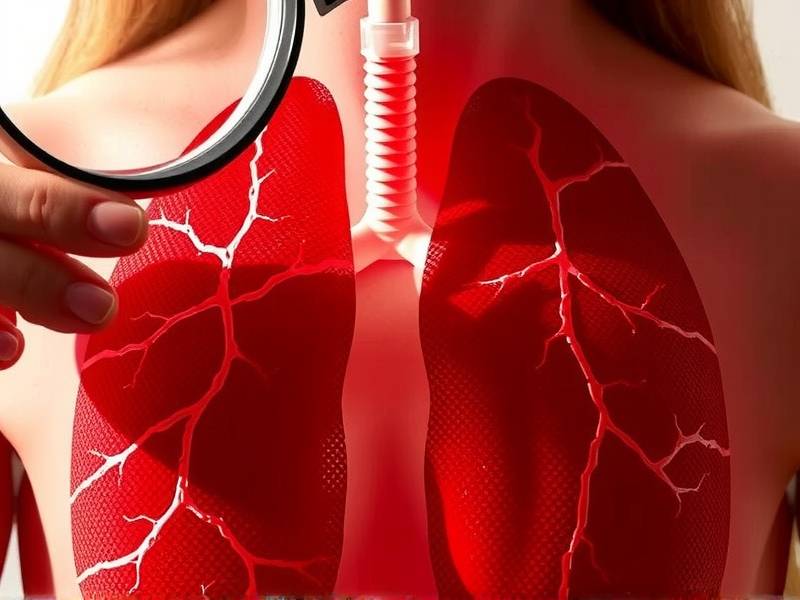
Lung infections, such as pneumonia or bronchitis, occur when bacteria or viruses enter the lungs and cause inflammation. These infections can affect both smokers and non-smokers but may be more severe in individuals with weakened immune systems or chronic lung diseases.
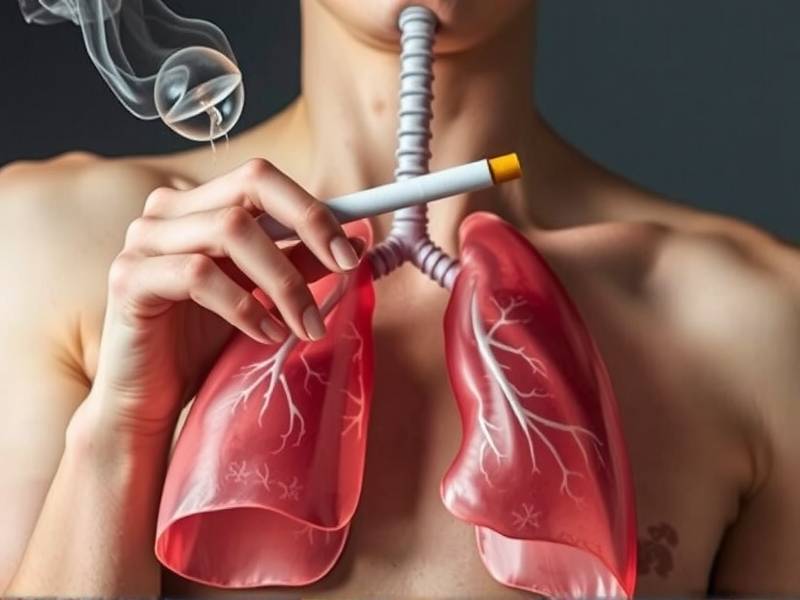
The Myth of Quitting Smoking Leading to Lung Infections:
One common misconception is that quitting smoking can lead to lung infections. However, there is no scientific evidence to support this claim. On the contrary, research indicates that quitting smoking has numerous health benefits, including a reduced risk of respiratory infections.
The Benefits of Quitting Smoking:
- Improved Immune System: Quitting smoking strengthens the immune system, making it more effective in fighting off infections.
- Reduced Risk of Chronic Lung Diseases: Smoking is a leading cause of chronic obstructive pulmonary disease (COPD) and other lung diseases. Quitting can significantly lower the risk of developing these conditions.
- Enhanced Lung Function: Over time, quitting smoking can improve lung function and increase oxygen levels in the blood.
Quitting Smoking and Acute Respiratory Infections:
While quitting smoking does not directly cause lung infections, some individuals may experience temporary respiratory symptoms during the initial stages of quitting. These symptoms are often attributed to withdrawal from nicotine and can include coughing or a sore throat. However, these symptoms are usually mild and resolve within a few weeks.
Seeking Professional Help:
If you're considering quitting smoking or experiencing persistent respiratory symptoms after quitting, it's essential to consult with a healthcare professional. They can provide guidance on managing withdrawal symptoms and address any concerns you may have regarding your health.
Conclusion:
In conclusion, there is no evidence to suggest that quitting smoking causes lung infections. On the contrary, quitting smoking offers numerous health benefits that can help reduce your risk of respiratory infections and improve overall well-being. If you're ready to take the plunge towards a smoke-free life, remember that seeking professional support can make the journey easier and more successful.