
Does Sleep Apnea Get Better with Quitting Smoking?
The Impact of Quitting Smoking on Sleep Apnea: A Closer Look
Introduction: Sleep apnea is a common sleep disorder that affects millions of people worldwide. It is characterized by pauses in breathing during sleep, which can lead to disrupted sleep and various health issues. One of the risk factors for sleep apnea is smoking. But does quitting smoking improve the condition? In this article, we explore the potential benefits of quitting smoking on sleep apnea.
Understanding Sleep Apnea and Smoking
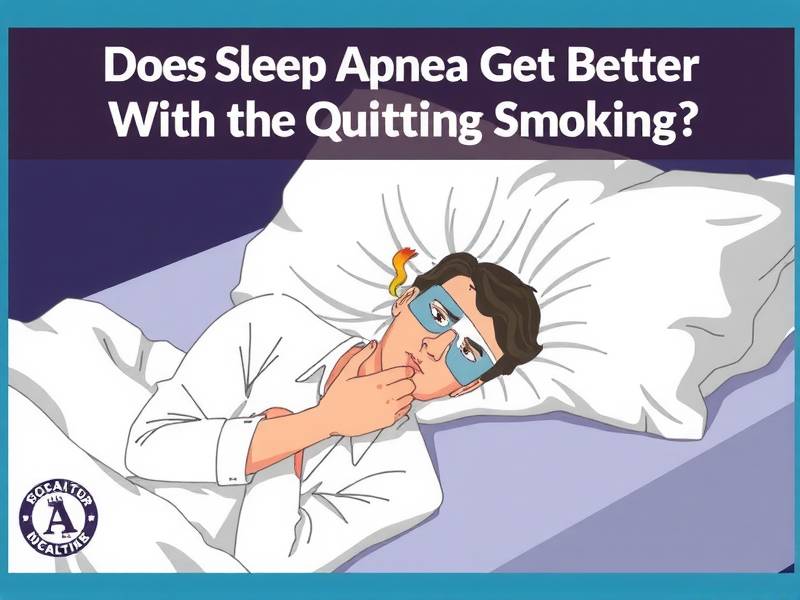
What is Sleep Apnea? Sleep apnea is a chronic condition where individuals experience pauses in breathing during sleep, often due to relaxed throat muscles blocking the airway. These pauses can last from a few seconds to minutes and can occur multiple times throughout the night.
The Link Between Smoking and Sleep Apnea Smoking has been identified as a significant risk factor for sleep apnea. The chemicals in cigarettes can cause inflammation and swelling in the throat, which can exacerbate the airway blockages that occur during sleep.
The Potential Benefits of Quitting Smoking
Improvement in Airway Function When you quit smoking, your body begins to heal from the damage caused by tobacco use. Over time, this can lead to improved airway function, potentially reducing the severity of sleep apnea symptoms.
Reduced Inflammation Quitting smoking also helps reduce inflammation throughout the body, including in the throat area. This decrease in inflammation may contribute to a lessened likelihood of airway obstructions during sleep.
Enhanced Oxygen Levels Smokers often have lower oxygen levels due to reduced lung function. Quitting smoking can help improve oxygen levels, which may positively impact those with sleep apnea by increasing blood oxygen saturation.
The Transition Process
Challenges of Quitting Smoking Quitting smoking is not an easy task and comes with its own set of challenges. Withdrawal symptoms, cravings, and stress are common hurdles that individuals face when trying to quit.
Support Systems To increase the chances of successfully quitting smoking and improving sleep apnea symptoms, it's important to have a strong support system. This could include friends, family, or professional help such as counseling or nicotine replacement therapy.
Case Studies and Research Findings
Real-Life Stories There are numerous accounts from individuals who have experienced improvements in their sleep apnea symptoms after quitting smoking. These stories highlight the potential benefits of戒烟 for those struggling with this condition.
Scientific Evidence Research studies have also provided evidence supporting the idea that quitting smoking can improve sleep apnea symptoms. For example, a study published in "The Journal of Clinical Sleep Medicine" found that smokers with obstructive sleep apnea who quit had significant improvements in their condition over time.
Conclusion: While there is no guarantee that quitting smoking will completely cure sleep apnea for everyone, there is substantial evidence suggesting that it can significantly improve symptoms for many individuals. The journey to quit smoking may be challenging, but the potential health benefits are substantial. If you or someone you know struggles with both sleeping issues and smoking habits, it might be worth considering this life-changing decision for better rest and overall well-being.