
Are Headaches Normal After Quitting Smoking?
Understanding the Headache Phenomenon Post-Quitting Smoking
Introduction: The journey to quit smoking is a significant step towards a healthier lifestyle. However, for many smokers, the process is not without its challenges. One common issue that smokers often encounter after quitting is headaches. Are these headaches normal? Let's delve into this topic to understand more about the phenomenon.
What are Headaches After Quitting Smoking?
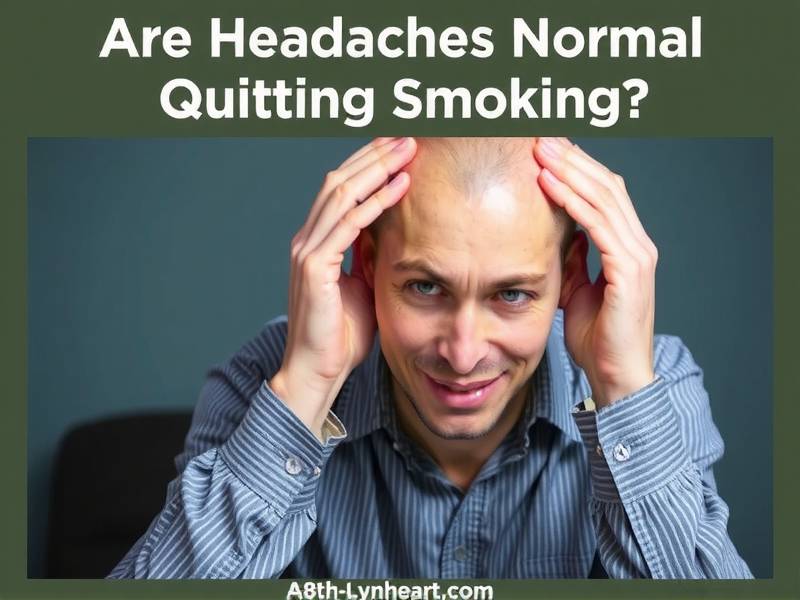
Headaches after quitting smoking are not uncommon. They can range from mild to severe and may occur within a few hours or even days after ceasing the habit. This phenomenon is often referred to as "smoker's headache" or "cessation headache."
Why Do They Occur?
The primary reason behind these headaches is nicotine withdrawal. Nicotine, a highly addictive substance found in tobacco, causes the body to produce dopamine, which leads to feelings of pleasure. When you quit smoking, your body experiences a sudden decrease in nicotine levels, leading to withdrawal symptoms.
One of these symptoms includes changes in blood flow and pressure within the brain. This change can trigger headaches in some individuals.
Are They Normal?
Yes, headaches after quitting smoking are considered normal and are often part of the withdrawal process. It's important to remember that these headaches are temporary and typically subside within a few days or weeks as your body adjusts to life without nicotine.
How Long Do They Last?
The duration of these headaches can vary from person to person. Some individuals may experience them for just a couple of days, while others might feel them for several weeks. The good news is that they usually become less frequent and less intense over time.
What Can You Do About Them?
While there's no magic solution for quitting-smoker headaches, there are several strategies you can employ:
- Stay Hydrated: Dehydration can exacerbate headaches, so ensure you're drinking plenty of water.
- Eat Healthily: A balanced diet rich in fruits and vegetables can help alleviate withdrawal symptoms.
- Exercise Regularly: Physical activity increases blood flow and can help reduce stress levels.
- Get Adequate Sleep: Ensure you're getting enough restful sleep each night.
- Consider Medication: Over-the-counter pain relievers like acetaminophen or ibuprofen can provide temporary relief.
Conclusion:
Headaches after quitting smoking are a common occurrence but don't signify anything serious. Understanding why they happen and how long they might last can help you manage them more effectively during your journey towards a smoke-free life. Remember, patience and perseverance are key!