
Why Do I Keep Coughing Since I Quit Smoking?
Unveiling the Reasons Behind Your Persistent Cough After Quitting Smoking
Introduction: Quitting smoking is a significant step towards improving your health. However, many individuals experience unexpected symptoms post-cessation, such as persistent coughing. This article aims to explore the reasons behind this common issue and provide insights into how you can manage it effectively.
Section 1: The Body's Response to Quitting Smoking When you quit smoking, your body undergoes various changes as it tries to repair itself from the years of exposure to harmful toxins. One of these changes is an increased production of mucus in the respiratory system.
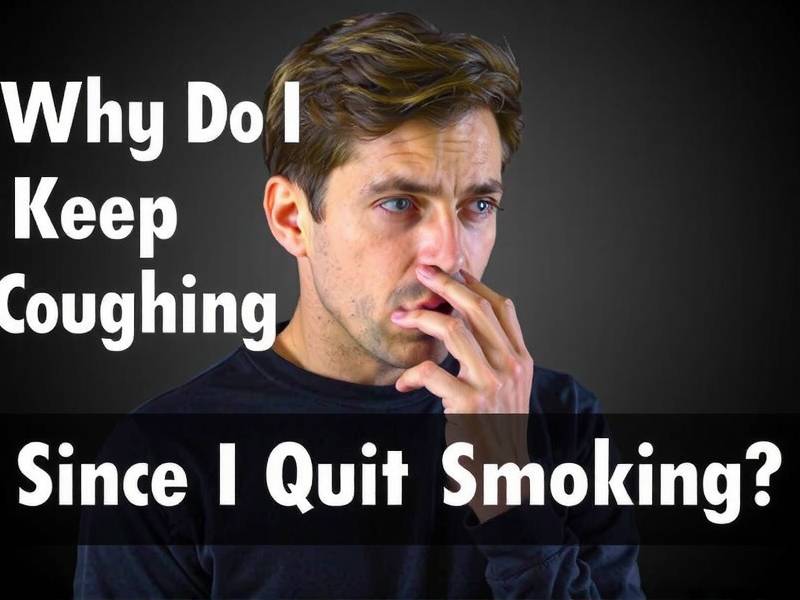
Subsection 1.1: The Role of Mucus in Post-Quitting Cough The excess mucus production is a response to the irritation caused by years of smoking. As you quit, your body starts to expel this accumulated mucus, leading to coughing. This process is known as "cleaning" and is a sign that your body is healing itself.
Section 2: Other Possible Causes for Persistent Cough While mucus production is a common reason for post-cessation coughing, there are other potential causes worth considering:
Subsection 2.1: Respiratory Infections Quitting smoking can weaken your immune system temporarily, making you more susceptible to respiratory infections like bronchitis or pneumonia.
Subsection 2.2: Allergies and Environmental Factors Allergies or exposure to irritants like dust, pollen, or smoke from other sources can trigger coughing even after you've quit smoking.
Subsection 2.3: Chronic Conditions If you have pre-existing respiratory conditions like asthma or chronic obstructive pulmonary disease (COPD), quitting smoking may exacerbate these symptoms temporarily.
Section 3: Managing Persistent Cough After Quitting Smoking Here are some strategies to help manage your persistent cough after quitting smoking:

Subsection 3.1: Stay Hydrated Drinking plenty of fluids can thin out mucus and make it easier for your body to expel it.
Subsection 3.2: Practice Good Breathing Techniques Deep breathing exercises can help improve lung function and reduce coughing.
Subsection 3.3: Seek Medical Advice if Necessary If your cough persists for an extended period or worsens, consult a healthcare professional for further evaluation and guidance.
Conclusion: Persistent coughing after quitting smoking can be unsettling but is often a temporary symptom of your body's healing process. By understanding the reasons behind this issue and implementing effective management strategies, you can alleviate discomfort and continue on your journey towards better health. Remember that quitting smoking has numerous long-term benefits for your overall well-being – so keep going!