
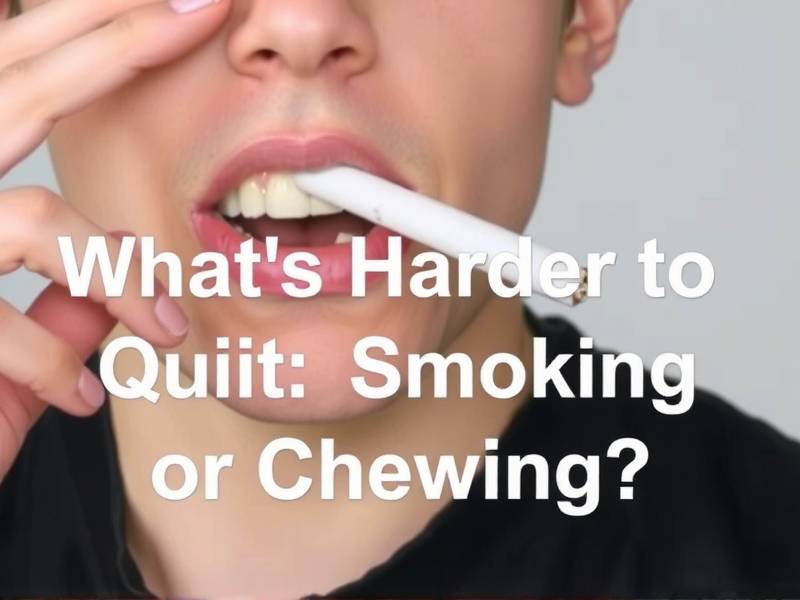
What's Harder to Quit: Smoking or Chewing?
What's Harder to Quit: Smoking or Chewing?
Subheading: A Comprehensive Look at the Challenges of Quitting Smoking and Chewing Tobacco
Introduction: When it comes to breaking free from addiction, the road can be tough. For many, the question arises: what's harder to quit – smoking or chewing tobacco? Both habits are deeply ingrained and have profound effects on health. In this article, we'll delve into the challenges faced by those trying to quit smoking and chewing tobacco, comparing their difficulties and exploring effective strategies for overcoming addiction.
I. The Physical Challenges of Quitting Smoking:
-
Nicotine Withdrawal: Smokers often experience intense cravings and withdrawal symptoms when trying to quit. These include anxiety, irritability, depression, headaches, and increased appetite.
-
Physical Dependence: The body becomes physically dependent on nicotine, making it challenging for individuals to resist the urge to smoke.
-
Habitual Behavior: Smoking has become a habit for many people, often associated with specific activities or emotions. Breaking this habit can be quite difficult.
II. The Physical Challenges of Quitting Chewing Tobacco:
-
Nicotine Withdrawal: Similar to smoking, quitting chewing tobacco involves dealing with nicotine withdrawal symptoms like cravings and irritability.
-
Oral Health Issues: Chewing tobacco can lead to various oral health problems such as gum disease, tooth loss, and oral cancer.
-
Habitual Behavior: Chewing tobacco is also a habit that can be difficult to break due to its association with certain activities or social settings.
III. The Psychological Challenges:
-
Stress Management: Both smoking and chewing tobacco are often used as coping mechanisms for stress or anxiety. Quitting these habits requires finding alternative ways to manage stress.
-
Social Pressure: Friends, family members, or colleagues may pressure individuals who are trying to quit by tempting them with cigarettes or chew.
-
Emotional Support: Quitting any addiction can be emotionally challenging; having a strong support system is crucial for success.
IV. Strategies for Overcoming Addiction:
-
Nicotine Replacement Therapy (NRT): NRT products like gum, patches, lozenges, and inhalers can help alleviate nicotine withdrawal symptoms by providing controlled doses of nicotine without the harmful effects of smoking or chewing tobacco.
-
Behavioral Therapy: Cognitive-behavioral therapy (CBT) can help individuals develop coping skills and strategies for managing cravings and stress without turning back to smoking or chewing tobacco.
-
Support Groups: Joining a support group where others share similar experiences can provide emotional support and encouragement throughout the quitting process.

Conclusion:
Both smoking and chewing tobacco are hard habits to break due to their physical dependence, habitual behavior, psychological challenges, and social pressures. However, by understanding these difficulties and implementing effective strategies such as NRT, behavioral therapy, and seeking support from others who have overcome addiction – it's possible to overcome these challenges and lead a healthier life free from the dangers of烟草 use.