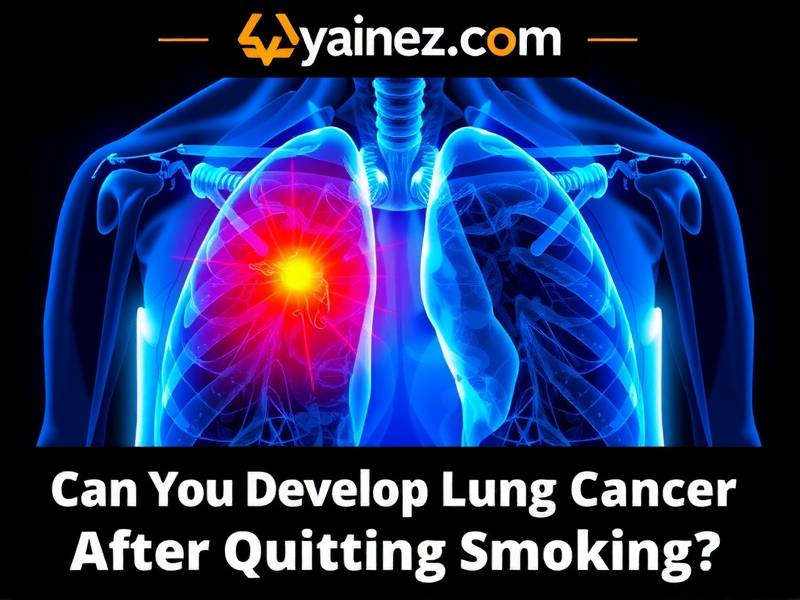
Can You Develop Lung Cancer After Quitting Smoking?
The Truth Behind Lung Cancer and Smoking Cessation
Introduction: Lung cancer is a leading cause of cancer-related deaths worldwide, and smoking is the number one risk factor. However, many people are curious about the possibility of developing lung cancer even after quitting smoking. In this article, we will explore this topic and provide you with valuable information to help you make informed decisions about your health.
-
Understanding the Risk Lung cancer is primarily caused by the inhalation of harmful chemicals present in tobacco smoke. When you quit smoking, your lungs begin to heal, and your risk of developing lung cancer decreases over time. However, it's essential to understand that quitting smoking does not guarantee complete elimination of the risk.
-
The Role of Time The time it takes for your lungs to recover after quitting smoking varies from person to person. According to the American Lung Association, if you quit smoking at 35 years old, your risk of dying from lung cancer is about half that of a continuing smoker. This means that even if you develop lung cancer after quitting, it's likely to be less severe than if you had continued smoking.
-
Other Risk Factors While quitting smoking significantly reduces your risk of developing lung cancer, it's essential to recognize that there are other factors that can increase this risk. These include exposure to secondhand smoke, radon gas, air pollution, and certain occupational hazards.
-
The Importance of Regular Check-ups To ensure early detection and treatment of any potential health issues related to lung cancer or other respiratory conditions, it's crucial to have regular check-ups with your healthcare provider. This way, any suspicious changes in your lungs can be identified promptly.
-
Lifestyle Choices Adopting a healthy lifestyle can further reduce your risk of developing lung cancer after quitting smoking. This includes maintaining a balanced diet rich in fruits and vegetables, engaging in regular physical activity, avoiding exposure to secondhand smoke and air pollution, and minimizing alcohol consumption.
Conclusion: While quitting smoking significantly reduces your risk of developing lung cancer, it does not completely eliminate the possibility. By understanding the risks involved and taking proactive steps towards maintaining a healthy lifestyle, you can further lower your chances of developing this deadly disease. Remember that it's never too late to quit smoking and take control of your health!