How Long Does It Take for Your Heart Rate to Decrease After Quitting Smoking?
The Heart's Journey to Recovery: How Long Does It Take for Your Heart Rate to Decrease After Quitting Smoking?
Subheading: Understanding the Timeline of Heart Rate Recovery Post-Quitting Smoking
Introduction: The journey towards quitting smoking is one filled with both challenges and rewards. Among these rewards is the gradual restoration of cardiovascular health, including a decrease in heart rate. This article delves into the question that often lingers in the minds of those who have quit or are contemplating quitting: how long does it take for your heart rate to decrease after smoking cessation?
Section 1: The Impact of Smoking on Heart Rate
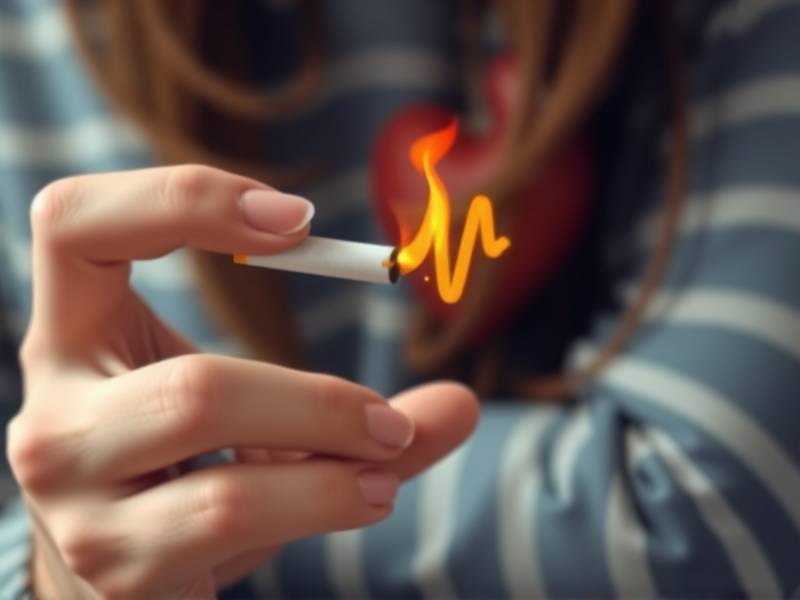
Explanation: Smoking has a profound impact on the cardiovascular system, with one of its immediate effects being an increased heart rate. The nicotine present in cigarettes stimulates the adrenal glands, leading to the release of adrenaline, which in turn raises heart rate.
Section 2: The Timeline for Heart Rate Recovery
Subsection 1: Immediate Changes
- Within minutes of quitting smoking, your heart rate begins to normalize as nicotine levels decrease.
- After approximately 12 hours, carbon monoxide levels drop significantly.
Subsection 2: Short-Term Recovery
- Within a few days to weeks after quitting, your heart rate may continue to decrease gradually.
- During this period, you might also notice improved lung function and a reduction in blood pressure.
Subsection 3: Long-Term Recovery
- Over several months and years post-quitting, continued improvements in heart health can be observed.
- Studies suggest that within one year, ex-smokers can expect their risk of coronary heart disease to drop by half compared to current smokers.
Section 3: Factors Influencing Heart Rate Recovery
Subsection 1: Individual Differences
- Each person's body responds differently to smoking cessation.
- Factors like age, overall health status, and genetic predisposition can influence recovery timelines.
Subsection 2: Environmental Factors
- Exposure to secondhand smoke or other environmental toxins can delay recovery.
- Maintaining a healthy lifestyle that includes regular exercise and a balanced diet can accelerate it.
Section 4: Monitoring Your Progress
Explanation: Monitoring your progress is crucial. Keep track of any changes in your heart rate and overall well-being. Consider using wearable technology or consulting with healthcare professionals for personalized advice.
Conclusion:
The road to recovery from smoking-related health issues is a marathon rather than a sprint. Understanding how long it takes for your heart rate to decrease after quitting smoking can provide motivation and hope. By focusing on lifestyle changes and maintaining regular check-ups with healthcare providers, you can support your body's natural healing process. Remember that every step towards quitting is a step towards better health.