
How to Help Others Quit Smoking: Effective Strategies and Support
Understanding the Importance of Smoking Cessation
Quitting smoking is a significant step towards improving one's health and well-being. However, it can be challenging for many smokers. As a supportive friend or family member, you can play a crucial role in helping someone quit smoking. This article provides effective strategies and support methods to assist smokers in their journey towards a smoke-free life.
1. Educate Yourself on the Dangers of Smoking
Before offering assistance, it's essential to understand the risks associated with smoking. Familiarize yourself with the health consequences, such as lung cancer, heart disease, and other chronic conditions. This knowledge will help you empathize with the smoker and motivate them to quit.
2. Communicate Openly and Supportively
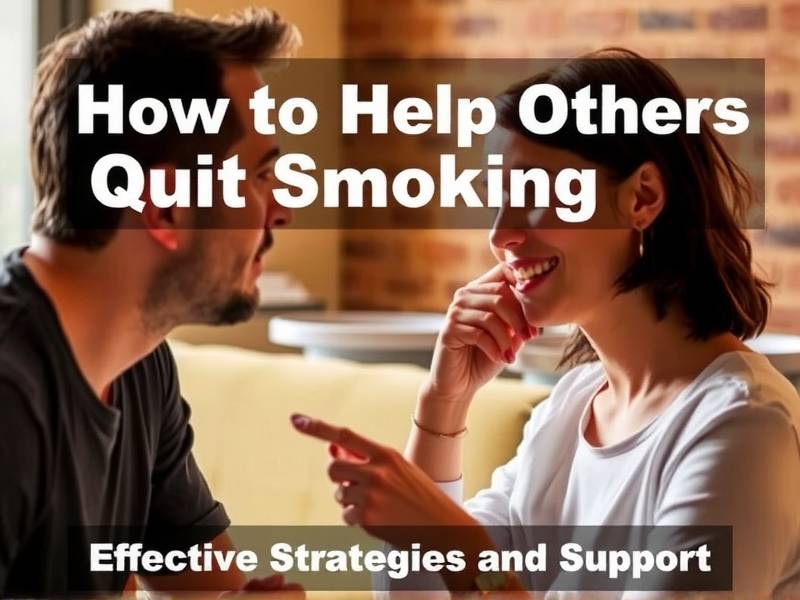
Start by having an open conversation with the smoker about their desire to quit. Be supportive and non-judgmental during this discussion. Encourage them to express their concerns and fears about quitting, as this will help you provide tailored support.
3. Encourage Professional Help
Many smokers find it helpful to seek professional assistance when trying to quit. Encourage your friend or family member to consult a healthcare provider or join a smoking cessation program. These resources can offer personalized advice, medication options, and coping strategies.
4. Provide Emotional Support
Quitting smoking can be mentally challenging for some individuals. Offer emotional support by listening actively, being patient, and acknowledging their efforts along the way. Celebrate small victories with them to keep them motivated.
5. Create a Smoke-Free Environment
Encourage your loved one to create a smoke-free environment at home or work by removing ashtrays, lighters, and other smoking paraphernalia from their surroundings. This can reduce temptation and make it easier for them to stay smoke-free.
6. Develop Coping Strategies Together
Identify triggers that may lead your loved one back to smoking and develop alternative coping strategies together. For example, if stress is a trigger, encourage them to engage in relaxation techniques such as deep breathing exercises or mindfulness meditation.
7. Stay Informed About New Quitting Techniques
As new research emerges regarding smoking cessation methods, stay informed about these developments so that you can provide up-to-date information and support your loved one effectively.
Conclusion
Helping someone quit smoking requires patience, empathy, and understanding of both the physical and mental challenges involved in this process. By following these effective strategies and providing ongoing support, you can play a vital role in assisting your loved one on their journey towards a smoke-free life.
Remember that quitting smoking is not just about overcoming addiction; it's also about improving overall health and well-being for years to come.