
How Long Does It Take for Your Lungs to Start Healing After Quitting Smoking?
The Journey to Lung Healing: How Long After Quitting Smoking?
Introduction: Quitting smoking is a significant step towards improving one's health, and it's a journey that affects every aspect of the body, including the lungs. Many smokers are eager to know how quickly their lungs can begin to heal post-cessation. In this article, we'll explore the timeline of lung recovery after quitting smoking and provide insights into what you can expect.
Understanding Lung Damage from Smoking Before we delve into the healing process, it's crucial to understand the extent of lung damage caused by smoking. Tobacco smoke contains over 7,000 chemicals, many of which are toxic. These chemicals lead to inflammation and scarring in the lungs, reducing their capacity for oxygen exchange.
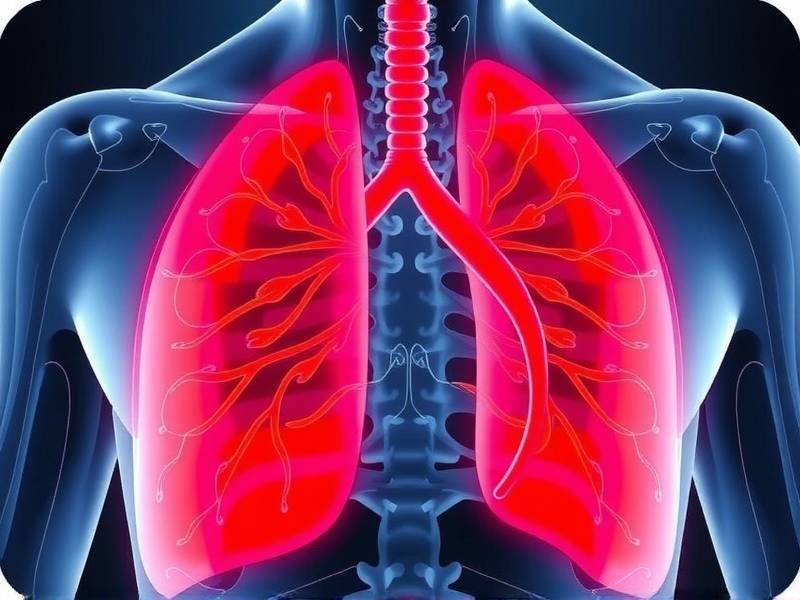
The First Days: The Immediate Impact of Quitting The moment you quit smoking, your body begins its healing process. Within hours, your blood pressure starts to drop as does your heart rate. Carbon monoxide levels in your blood begin to decrease as well. This is a positive sign that your body is responding to the absence of harmful toxins.
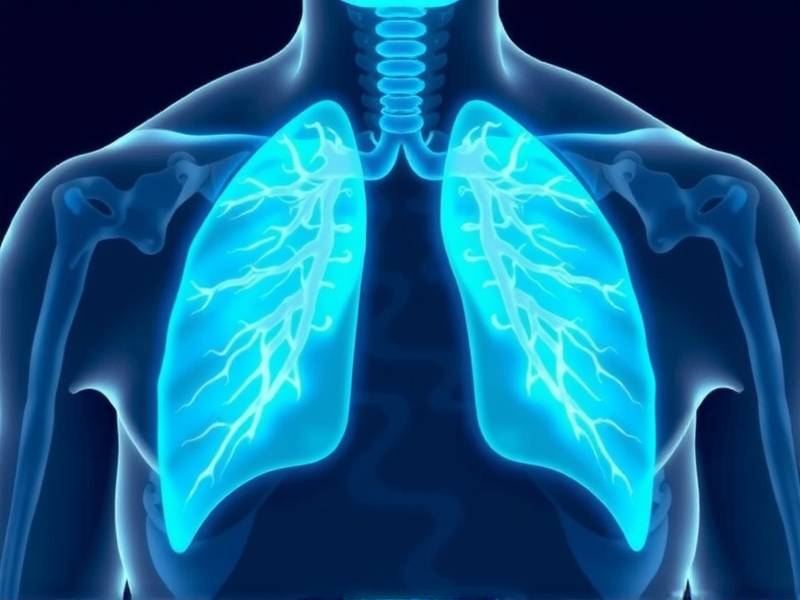
Weeks 1-3: A New Breath In the first few weeks after quitting, you might notice an improvement in your respiratory function. Your lungs start to clear out some of the mucus and tar that have accumulated over time due to smoking. You may also experience an increase in lung capacity and find it easier to breathe.
Months 1-9: A Gradual Recovery Over the next several months, significant changes occur within your lungs:
- Month 1-3: Your immune system gets a boost as it recovers from constant exposure to harmful substances.
- Month 4: The cilia in your lungs start regenerating. These tiny hair-like structures help move mucus out of your airways.
- Month 6: You may notice an increase in lung capacity and decreased shortness of breath.
- Month 9: Your lungs continue to clear out debris, leading to improved overall lung function.
Years 1-5: Long-Term Benefits As you reach the one-year mark without smoking, you'll see further improvements:
- Year 1: Your risk of heart disease starts to decrease.
- Year 5: Your risk of stroke and cancer decreases significantly compared to when you were smoking.
The Role of Lifestyle Choices It's important to note that while quitting smoking is crucial for lung health, other lifestyle choices also play a significant role:
- Regular Exercise: Helps improve lung function and overall cardiovascular health.
- Healthy Diet: Provides essential nutrients for recovery.
- Avoid Exposure: Stay away from secondhand smoke and pollutants.
Conclusion: The journey towards lung healing after quitting smoking is a gradual process that takes time. Understanding this timeline can help keep motivation high during those challenging initial weeks and months post-quitting. Remember that every cigarette you don't smoke brings you one step closer to healthier lungs and a better quality of life.