
Should You Quit Smoking Weed?
Should You Quit Smoking Weed? A Comprehensive Guide
Introduction: The debate over whether one should quit smoking weed has been ongoing for years. With the increasing acceptance of cannabis use in some parts of the world, it is essential to understand the potential benefits and drawbacks of quitting. This article will explore various aspects of quitting smoking weed, helping you make an informed decision based on your personal circumstances.
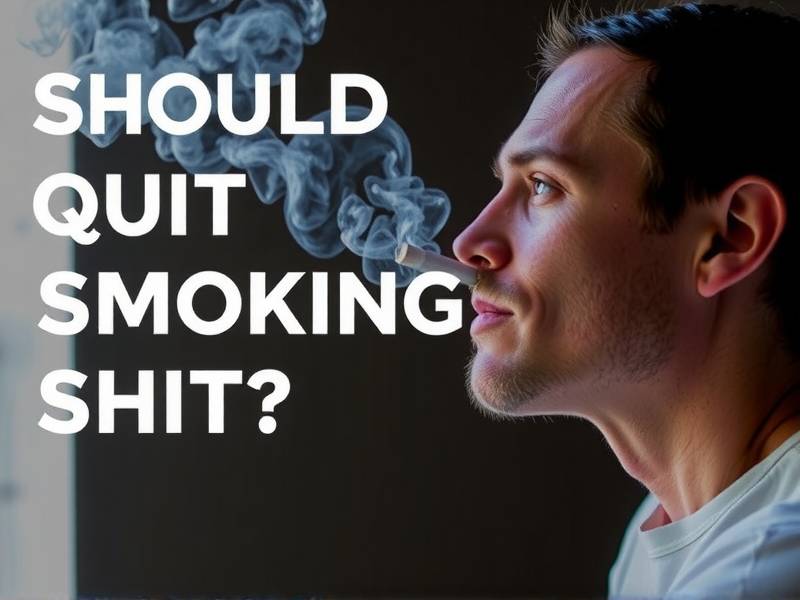
- Understanding the Effects of Weed Smoking
1.1 Physical Health Risks: Research has shown that smoking weed can have adverse effects on your physical health. These include increased risk of respiratory issues, lung damage, and cardiovascular problems. If you are concerned about these risks, quitting smoking weed might be a wise choice.

1.2 Mental Health Considerations: While weed is often perceived as a "safe" drug, some individuals may experience mental health issues such as anxiety, paranoia, and depression while using it. If you are struggling with these issues or have a history of mental health problems, quitting smoking weed might improve your overall well-being.
- Benefits of Quitting Smoking Weed
2.1 Improved Health: Quitting smoking weed can lead to improved physical and mental health. Many individuals who quit report better lung function, reduced anxiety levels, and an overall sense of well-being.
2.2 Enhanced Productivity: If you find that smoking weed affects your productivity or ability to focus at work or school, quitting might help you regain control over your life and achieve your goals.
- The Process of Quitting Smoking Weed
3.1 Seek Support: Quitting any substance can be challenging; seeking support from friends, family, or professionals can make the process easier. Consider joining a support group or finding a therapist specializing in substance abuse.
3.2 Develop Coping Strategies: Identify alternative ways to cope with stress or anxiety that do not involve smoking weed. This could include exercise, meditation, or engaging in hobbies.
- Legal Implications
4.1 Legalization vs Prohibition: In some regions, cannabis is legal for both medicinal and recreational use; however, in others, it remains illegal under federal law in the United States and similar jurisdictions worldwide. Be aware of the legal implications before making the decision to quit.
4.2 Navigating Legal gray areas: Even in areas where cannabis is legal for medicinal use only or decriminalized altogether (with no legal penalties for possession), there may still be gray areas regarding public consumption and other aspects of cannabis use.
Conclusion:
The decision to quit smoking weed ultimately depends on your personal circumstances and values. Weighing the potential benefits against the risks can help you make an informed choice that aligns with your goals and priorities. Remember that seeking support from others during this process can make it more manageable and increase your chances of success. Before making any decisions regarding quitting smoking weed, ensure you are well-informed about both the pros and cons associated with this substance.