
Is It Normal to Have Hoarseness After Quitting Smoking?
Understanding the Link Between Smoking and Hoarseness
Quitting smoking is a significant life decision that comes with a host of health benefits. However, the process isn't always smooth sailing. Many former smokers experience various withdrawal symptoms, one of which is hoarseness. But is this common experience a cause for concern, or is it just a temporary side effect of quitting?
What Causes Hoarseness After Quitting Smoking?
The Role of Vocal Cords
The vocal cords are delicate structures that can be affected by smoking. When you smoke, the chemicals in tobacco can irritate your throat and vocal cords, leading to inflammation and changes in voice quality. As you quit smoking, these irritants are removed from your body, which can cause the vocal cords to heal and adjust.
Changes in Body Chemistry
Nicotine withdrawal can also disrupt your body's chemistry, affecting how your vocal cords function. This change often results in hoarseness as the body adjusts to the absence of nicotine.

Other Factors
Other factors might contribute to hoarseness after quitting smoking:
- Dehydration: Nicotine is a diuretic, so when you quit, your body may need more fluids to flush out toxins.
- Increased Phlegm Production: Your body may produce more mucus as it tries to expel tar and other debris from your lungs.
- Stress: Quitting smoking can be stressful, and stress can affect voice quality.
How Long Does Hoarseness Last?
The duration of hoarseness after quitting smoking varies from person to person. Some individuals may notice their voice returning to normal within a few days or weeks, while others may experience it for several months.
Coping with Hoarseness
If you're experiencing hoarseness after quitting smoking, here are some tips that might help:
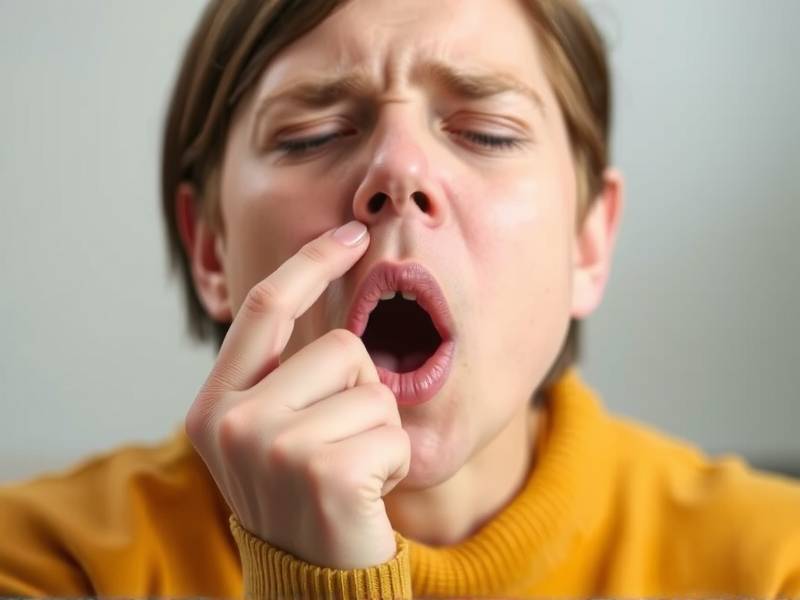
- Stay Hydrated: Drink plenty of water throughout the day.
- Avoid Straining Your Voice: Try not to shout or talk too loudly.
- Gargle with Salt Water: This can help soothe your throat.
- Use Humidifiers: Adding moisture to the air in your home can help reduce throat irritation.
Seeking Professional Help
If your hoarseness persists for an extended period or causes significant discomfort, it's advisable to consult a healthcare professional. They can rule out other potential causes and recommend appropriate treatment if necessary.
Conclusion
While hoarseness after quitting smoking is relatively common, it's usually not something to worry about. By understanding its causes and taking appropriate measures to manage it, you'll likely find that your voice returns to its normal tone over time. Remember that quitting smoking is a significant step towards better health – any temporary discomfort pales in comparison to the long-term benefits!