
Will My Teeth Get Whiter After Quitting Smoking?
Introduction: The Smoking and Oral Health Connection
Quitting smoking is a significant step towards improving overall health, and many individuals are aware of the benefits it has on the heart, lungs, and cardiovascular system. However, one often overlooked aspect of smoking cessation is its impact on oral health. Many smokers wonder if their teeth will naturally get whiter after they quit. Let's delve into this topic to provide some clarity.
The Discoloration Dilemma
Smoking can lead to a range of oral health issues, including tooth discoloration. The chemicals in tobacco can stain the enamel, leading to a yellow or brown hue. This discoloration is not just cosmetic; it can also affect self-esteem and confidence.
The Gradual Transformation
When you quit smoking, several changes begin to occur in your body that can contribute to tooth whitening:
1. Enamel Repair
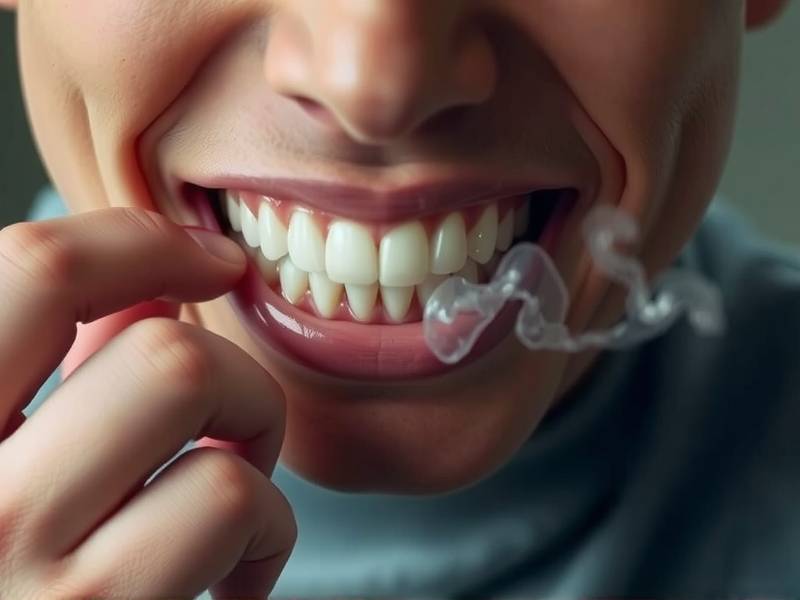
Over time, as you stop smoking, your teeth's enamel starts to repair itself from the damage caused by nicotine and tar. This repair process can gradually restore the natural color of your teeth.
2. Reduced Staining
Quitting smoking reduces the intake of harmful chemicals that cause stains on your teeth. As these substances are no longer present, your teeth have a chance to revert back to their original color.
3. Improved Saliva Flow
Smokers often have reduced saliva flow, which can contribute to tooth decay and staining. Quitting smoking typically leads to an increase in saliva production, which helps clean away food particles and bacteria that cause stains.
The Timeline for Whitening
It's important to note that the timeline for tooth whitening after quitting smoking varies from person to person. Some individuals may notice a difference within a few weeks, while others might take several months or even years.
Quick Tips for Accelerating Whitening
- Regular Brushing: Brushing your teeth at least twice a day with fluoride toothpaste can help remove surface stains.
- Flossing: Flossing daily helps prevent tartar buildup, which can lead to additional staining.
- Professional Cleanings: Regular visits to the dentist for professional cleanings can also aid in removing stubborn stains.
- Whitening Products: Over-the-counter whitening products like toothpaste with whitening agents or mouthwashes can help speed up the process.
Conclusion: A Brighter Smile Awaits
In conclusion, quitting smoking does offer hope for those looking to improve their smile's appearance. While it may not happen overnight, the natural healing process of your teeth combined with good oral hygiene practices can lead to whiter teeth over time. Embrace this positive change as part of your journey towards better health and well-being.
Remember, every step towards quitting smoking is a step towards a healthier life—both inside and out!