
How to Clear Your Lungs After Quitting Smoking: Effective Methods for Better Health
How to Clear Your Lungs After Quitting Smoking: Effective Methods for Better Health
Introduction: Quitting smoking is a significant step towards improving your health, but it's not just about breaking the habit. One of the most immediate benefits of quitting is the improvement in lung function. However, the lungs may still carry remnants of smoke exposure. This article explores effective methods to help clear your lungs after quitting smoking and enhance your overall well-being.
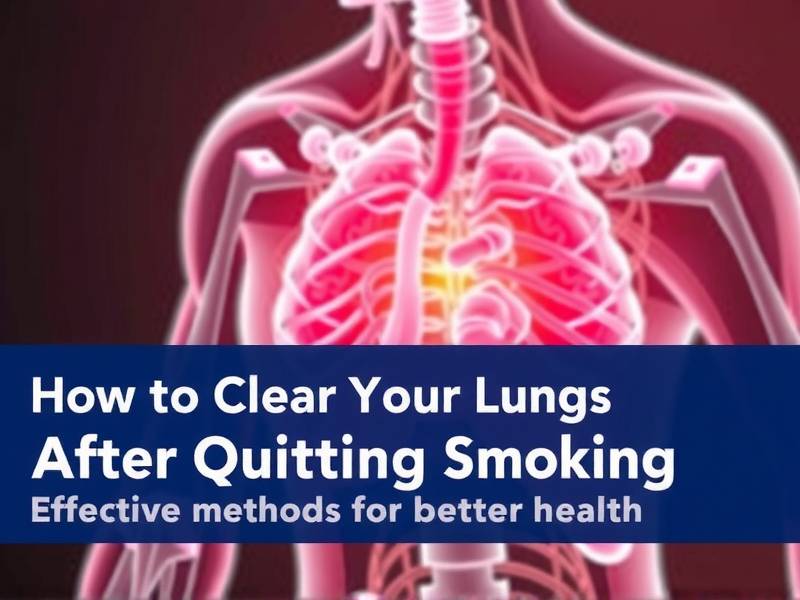
Understanding the Impact of Smoking on Lungs
Smoking damages the lungs by causing inflammation, reducing oxygen levels, and increasing the risk of infections. The first few months after quitting are crucial as your body starts to heal from years of exposure to harmful substances.
Short-Term Effects:
- Coughing and phlegm production increase as the body clears out tar and mucus.
- Breathing becomes easier as lung capacity improves.
Long-Term Benefits:
- Reduced risk of chronic obstructive pulmonary disease (COPD) and other respiratory issues.
- Lowered risk of heart disease and stroke.
- Improved sense of taste and smell.
Effective Methods for Lung Detoxification
-
Deep Breathing Exercises
- Practice deep breathing exercises to enhance lung capacity and improve oxygen flow.
- Techniques like diaphragmatic breathing can be particularly beneficial.
-
Regular Physical Activity
- Engage in moderate exercise like walking, jogging, or cycling to boost lung function.
- Aim for at least 30 minutes a day, five days a week.
-
Hydration
- Drink plenty of water to help flush out toxins from the body.
- Aim for at least 8 glasses a day.
-
Steam Therapy
- Use steam inhalation to help loosen mucus and reduce inflammation.
- Add eucalyptus oil or menthol for added relief.
-
Nasal Irrigation
- Regularly clean your nasal passages with a saline solution to remove irritants.
- This can also help reduce sinus congestion.
-
Avoid Exposure to Pollutants
- Minimize exposure to secondhand smoke, dust, and other air pollutants that can irritate your lungs.
-
Healthy Diet
- Incorporate fruits, vegetables, nuts, and lean proteins into your diet.
- These foods are rich in antioxidants that can aid in lung healing.
Monitoring Progress
It's important to track your progress after quitting smoking. Regular check-ups with a healthcare provider can help assess lung function improvements over time.
Conclusion
Clearing your lungs after quitting smoking is a gradual process that requires patience and commitment. By incorporating these effective methods into your lifestyle, you can support your body's natural healing process and improve your overall health outcomes. Remember, every step towards better health is a step towards a better future.