
Why Is It Hard to Breathe After You Quit Smoking? The Science Behind the Shortness of Breath
Why Is It Hard to Breathe After You Quit Smoking? The Science Behind the Shortness of Breath
Introduction: Quitting smoking is a significant decision that can lead to numerous health benefits. However, many individuals experience difficulty breathing after quitting. This article delves into the science behind shortness of breath and why it can occur following smoking cessation.
-
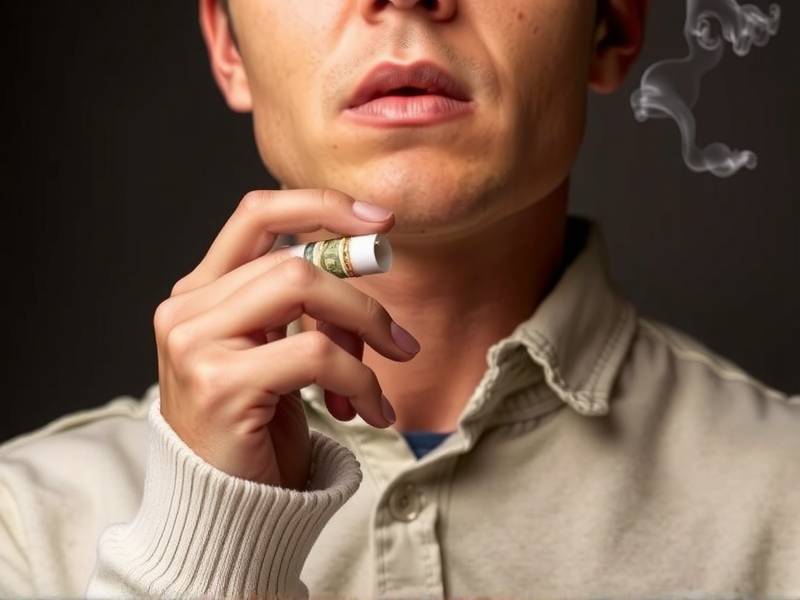
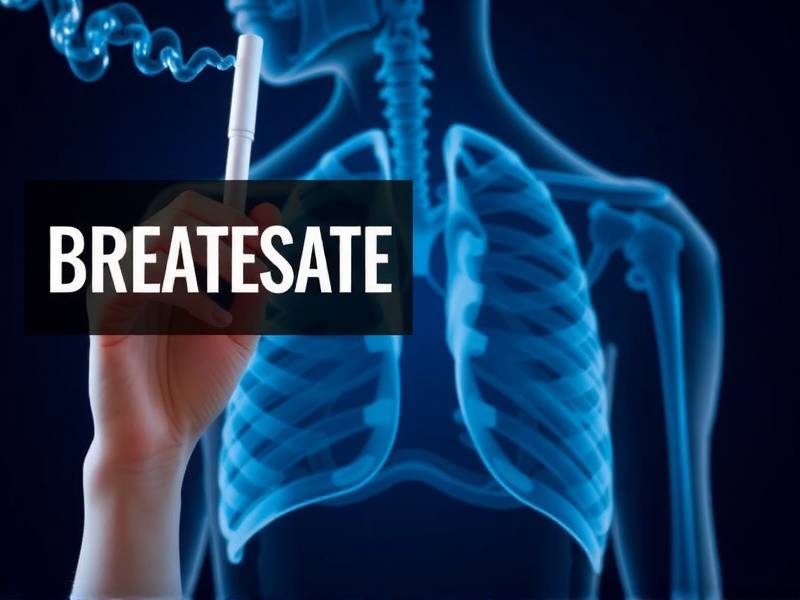
The Impact of Smoking on Lungs Smoking damages the lungs over time, leading to a decrease in lung capacity and function. The harmful chemicals in cigarettes cause inflammation, scar tissue, and narrowing of the airways. These changes make it harder for oxygen to reach the bloodstream and can result in shortness of breath.
-
Coughing and Bronchitis One common symptom experienced by individuals who quit smoking is coughing. This cough is often accompanied by mucus production and can be a sign of bronchitis. Bronchitis occurs when the lining of the bronchial tubes becomes inflamed, causing them to narrow and restrict airflow.
-
Increased Oxygen Demand When you quit smoking, your body starts to repair itself from the damage caused by tobacco smoke. This repair process increases your oxygen demand as your body works to regenerate healthy lung tissue. The increased oxygen demand can make you feel like you're struggling for breath.
-
Carbon Monoxide Levels Carbon monoxide (CO) is a toxic gas found in cigarette smoke that binds to hemoglobin in red blood cells more readily than oxygen does. This binding reduces the amount of oxygen available for use by your body's tissues, including your muscles and brain. Quitting smoking allows carbon monoxide levels to decrease, improving oxygen delivery throughout the body.
-
Nervous System Adaptation The nervous system plays a crucial role in regulating breathing patterns. Smoking stimulates certain nerves that control breathing rate and depth. When you quit smoking, these nerves need time to adjust their activity levels back to normal, which can result in irregular breathing patterns or shortness of breath.
-
Psychological Factors Emotional stress or anxiety can also contribute to shortness of breath after quitting smoking. Stress hormones can cause an increase in heart rate and respiratory rate, making it feel like you're struggling for air.
Conclusion: Experiencing shortness of breath after quitting smoking is a common challenge that many individuals face due to various physiological factors such as lung damage, increased oxygen demand, carbon monoxide levels, nervous system adaptation, and psychological factors. Understanding these causes can help individuals manage their symptoms as they work towards improving their lung health and overall well-being.
Note: While this article provides information on why it's hard to breathe after quitting smoking, it's essential for readers to consult healthcare professionals for personalized advice and support during their journey towards better health.