
How to Stop Coughing When You Quit Smoking: Effective Tips and Strategies
How to Stop Coughing When You Quit Smoking: Effective Tips and Strategies
Introduction: Quitting smoking is a significant step towards a healthier lifestyle. However, it often comes with challenges, such as persistent coughing. This article will provide you with effective tips and strategies to help you manage coughing when quitting smoking.
-
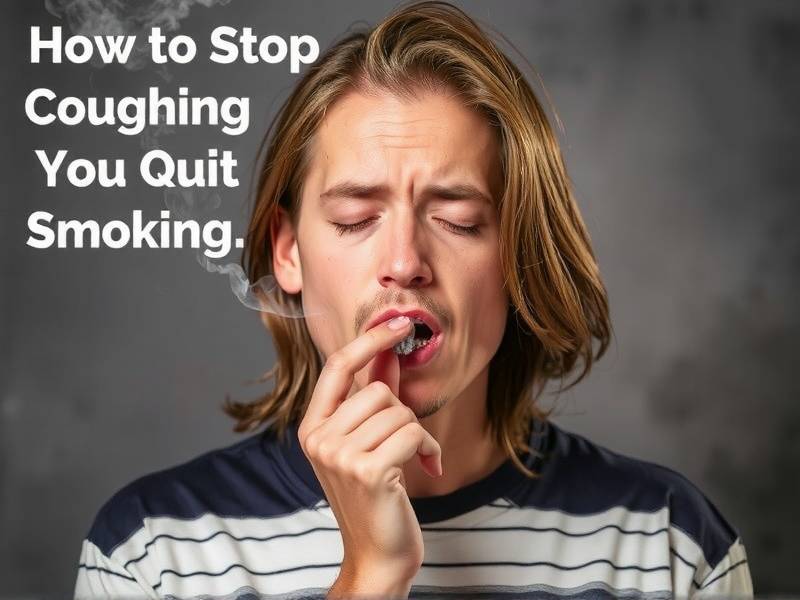
Understand the Causes of Coughing When you quit smoking, your body starts to heal from the harmful effects of tobacco. One common symptom is coughing, which can be caused by the removal of tar and mucus from your lungs. Understanding this process can help you manage the symptoms effectively.
-
Increase Hydration Drinking plenty of water is crucial when quitting smoking. It helps in thinning the mucus in your lungs, making it easier to expel through coughing. Aim for at least 8 glasses of water per day.
-
Use Saltwater Gargle A saltwater gargle can help soothe your throat and reduce coughing. Mix half a teaspoon of salt in a cup of warm water and gargle it for a few seconds before spitting it out.
-
Practice Deep Breathing Exercises Deep breathing exercises can improve lung function and reduce coughing. Try the following exercise: Inhale deeply through your nose, hold your breath for a few seconds, then exhale slowly through your mouth.
-
Use Over-the-Counter Remedies Over-the-counter cough suppressants or expectorants can provide temporary relief from coughing. Consult with a healthcare professional before using any medication.
-
Stay Active Regular physical activity can help improve lung function and reduce coughing symptoms. Engage in activities like walking, jogging, or swimming to stay active.
-
Avoid Irritants Irritants like dust, smoke, and pollen can worsen coughing when quitting smoking. Minimize exposure to these irritants by keeping your living environment clean and using air purifiers if necessary.
-
Seek Professional Help If your cough persists despite trying various home remedies, it's essential to consult with a healthcare professional. They may recommend additional treatments or medications tailored to your specific needs.
-
Stay Motivated Quitting smoking requires perseverance and motivation. Keep reminding yourself why you started this journey and celebrate small victories along the way.
-
Join Support Groups or Seek Counseling Joining support groups or seeking counseling can provide emotional support and practical advice during your quit journey.

Conclusion: Coughing is a common symptom when quitting smoking due to the body's healing process. By understanding the causes, staying hydrated, practicing deep breathing exercises, seeking professional help if needed, and maintaining motivation, you can effectively manage coughing while on your path to a smoke-free life.