
Can Quitting Smoking Really Make Your Lungs Hurt?
Can Quitting Smoking Really Make Your Lungs Hurt?
Introduction: The decision to quit smoking is a significant step towards a healthier life. However, many smokers worry about the potential discomfort or pain they might experience after quitting. One common concern is whether quitting smoking can really make your lungs hurt. Let's delve into this topic and shed some light on the matter.
Understanding the Body's Response to Quitting Smoking
-
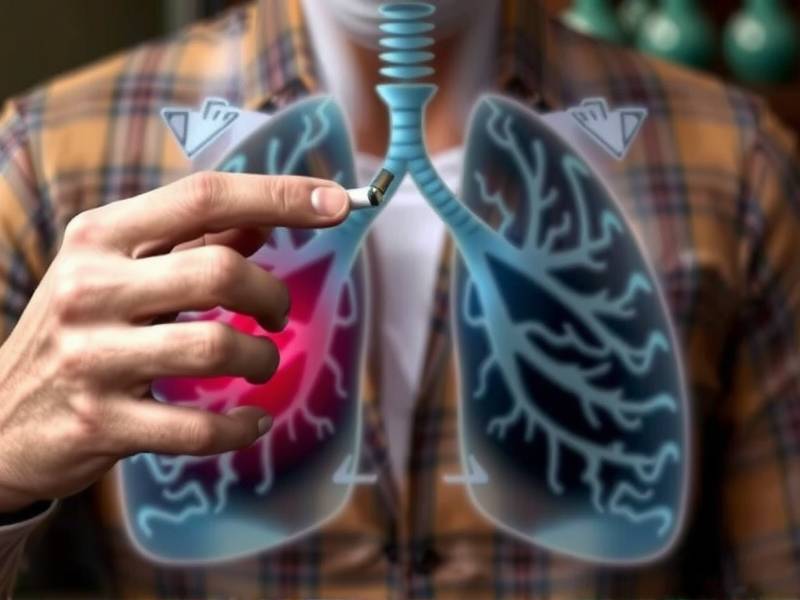
Withdrawal Symptoms: When you quit smoking, your body goes through a withdrawal process as it adjusts to the absence of nicotine. This can lead to various symptoms, including coughing and sore throat, which might make you think that your lungs are hurting. However, these symptoms are not indicative of lung damage but rather a sign that your body is healing.
-
Coughing as a Cleansing Process: One of the most noticeable changes when quitting smoking is an increase in coughing. This is because your lungs are trying to expel the accumulated tar and mucus that have built up over time due to smoking. While this can be uncomfortable, it is a positive sign that your lungs are beginning to heal.
The Role of Nicotine in Lung Pain
Nicotine, the primary addictive substance in cigarettes, has a calming effect on the nerves and muscles in your respiratory system. When you stop smoking, these nerves and muscles can become overactive, leading to sensations of tightness or pain in your chest or lungs.
Long-term Benefits of Quitting Smoking
-
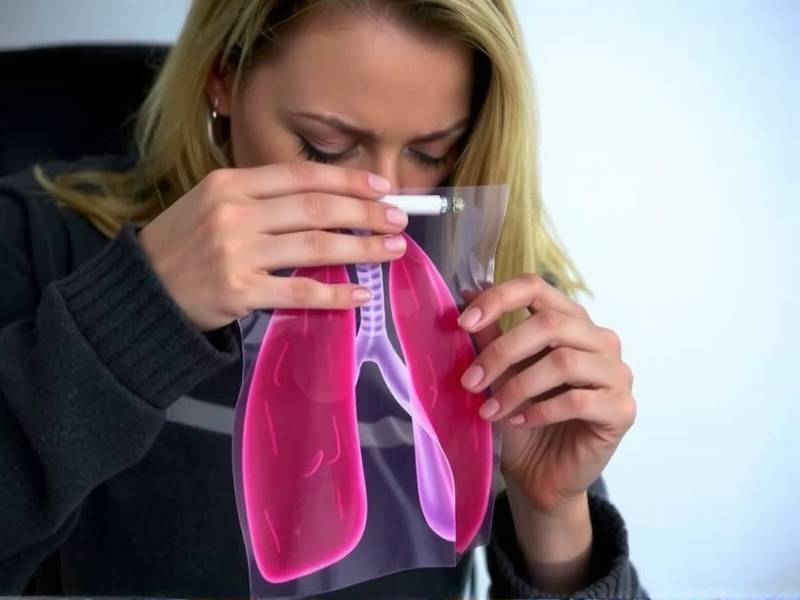
Improved Lung Function: Over time, quitting smoking can lead to improved lung function and reduced risk of respiratory diseases such as chronic bronchitis and emphysema.
-
Reduced Risk of Lung Cancer: Quitting smoking significantly reduces your risk of developing lung cancer and other types of cancer related to tobacco use.
-
Better Overall Health: Quitting smoking has numerous health benefits beyond just improving lung function. It can lead to better heart health, improved sense of taste and smell, and even increased lifespan.
Conclusion:
While it may seem like quitting smoking is causing your lungs pain at first, it's important to remember that these symptoms are part of the healing process. Your body is working hard to rid itself of years of damage caused by smoking. By staying committed to quitting, you'll be taking a significant step towards better health and well-being in the long run.
Remember that seeking support from healthcare professionals or joining support groups can help make the journey easier and more manageable during this transition period.
Note: The information provided in this article should not replace professional medical advice. If you have any concerns about quitting smoking or experiencing discomfort while doing so, please consult with a healthcare professional for personalized guidance.