Is Fatigue a Symptom of Quitting Smoking?
Understanding Fatigue as a Symptom of Smoking Cessation
Introduction: The journey towards quitting smoking is often fraught with challenges, and one common issue many smokers face is fatigue. This article delves into the relationship between fatigue and smoking cessation, exploring the reasons behind this symptom and offering practical tips for managing it effectively.
I. What is Fatigue? Fatigue is a feeling of extreme tiredness or exhaustion that can affect your daily activities. It's a common symptom among individuals who are trying to quit smoking, as their bodies adjust to the absence of nicotine.
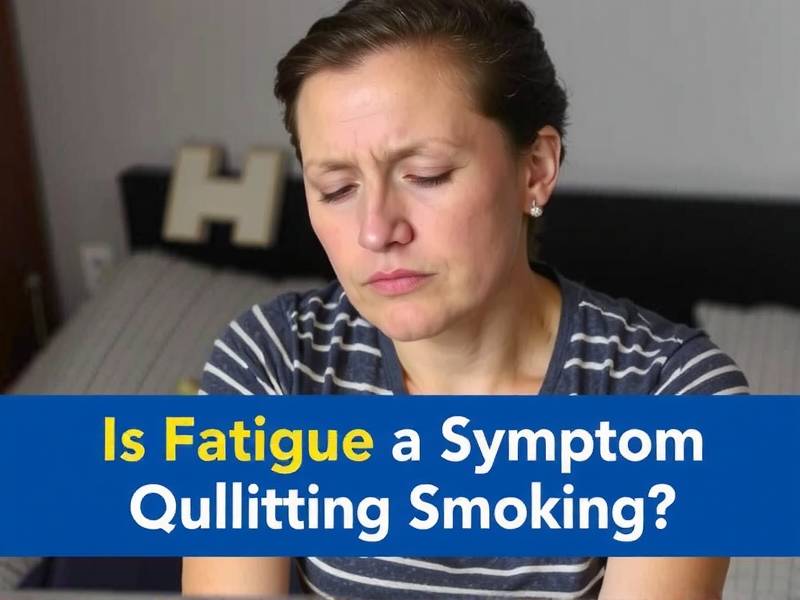
II. The Connection Between Smoking and Fatigue Nicotine, a stimulant found in cigarettes, acts as a temporary energy boost for smokers. When you quit smoking, your body experiences withdrawal symptoms, including fatigue. This occurs because nicotine affects the levels of neurotransmitters in the brain, leading to changes in energy levels.
III. How to Manage Fatigue During Smoking Cessation
- Get Adequate Sleep: Ensure you're getting enough restful sleep each night. A good night's sleep can help combat fatigue.
- Stay Hydrated: Dehydration can exacerbate feelings of tiredness. Drink plenty of water throughout the day.
- Maintain a Healthy Diet: Eating balanced meals rich in nutrients can provide you with sustained energy.
- Exercise Regularly: Engaging in physical activity can boost your energy levels and improve your overall well-being.
- Seek Support: Share your experience with friends, family, or support groups to gain encouragement and advice.
IV. Alternative Treatments for Managing Fatigue If fatigue persists despite implementing these strategies, consider alternative treatments such as:
- Nicotine Replacement Therapy (NRT): NRT products like patches, gum, lozenges, or inhalers can help alleviate withdrawal symptoms and reduce fatigue.
- Behavioral Therapy: Working with a therapist can help you develop coping strategies for managing fatigue during smoking cessation.
- Acupuncture: Some individuals find relief from fatigue through acupuncture treatments.
Conclusion: Fatigue is a common symptom experienced by those trying to quit smoking due to nicotine withdrawal. By understanding the connection between smoking and fatigue and implementing effective strategies for managing it, you can increase your chances of successfully quitting smoking for good. Remember that seeking support from others or alternative treatments may also aid in your journey towards becoming smoke-free.