
How Long Does Edema Last After Quitting Smoking?
Understanding the Duration of Edema After Smoking Cessation
Introduction: Quitting smoking is a significant step towards improving one's health. However, it's not uncommon to experience various withdrawal symptoms and side effects during the process. One such side effect is edema, which refers to swelling caused by fluid retention in the body. In this article, we will explore how long edema may last after quitting smoking and provide insights into managing this condition effectively.
What is Edema? Edema is a common symptom experienced by individuals who quit smoking. It occurs when the body retains excess fluid, leading to swelling in various parts of the body, such as the legs, ankles, or hands. This fluid retention can be attributed to several factors, including nicotine withdrawal and changes in blood pressure and heart rate.
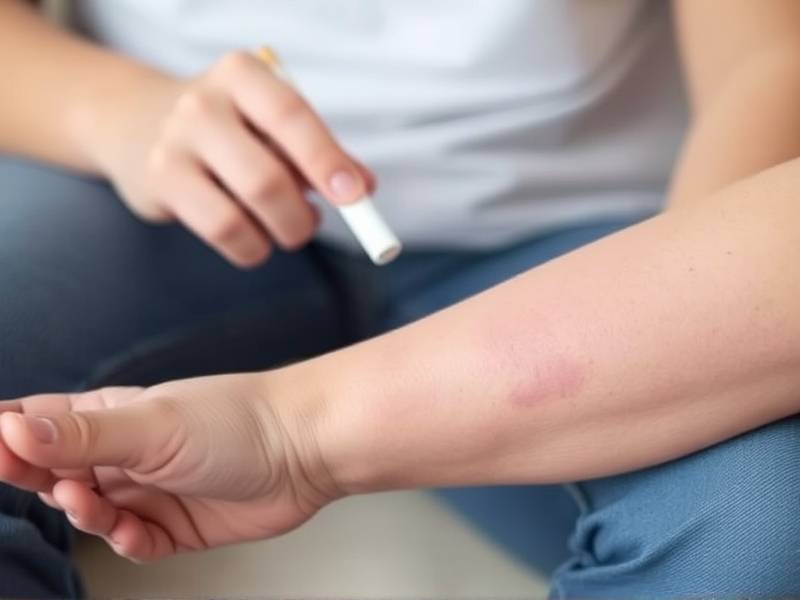
How Long Does Edema Last After Quitting Smoking? The duration of edema after quitting smoking can vary from person to person. Generally, it may take a few days to several weeks for the swelling to subside completely. Here are some factors that can influence the duration of edema:
-
Severity of Smoking Habit: The longer and more intense an individual's smoking habit was, the longer it may take for edema to resolve.
-
Individual Health Conditions: People with pre-existing health conditions such as heart disease or kidney problems may experience prolonged edema after quitting smoking.
-
Age and Gender: As we age, our bodies become less efficient at processing fluids, which can contribute to extended edema duration. Additionally, women tend to experience more pronounced edema due to hormonal fluctuations.
-
Proper Management: Taking appropriate measures to manage edema can help reduce its duration. We will discuss these strategies later in the article.
Managing Edema After Quitting Smoking To alleviate and manage edema after quitting smoking, consider the following tips:
-
Stay Hydrated: Drinking plenty of water helps flush out excess fluids from your body and reduce swelling.

-
Elevate Your Legs: Raising your legs above heart level when resting can aid in reducing swelling by promoting fluid drainage.
-
Wear Compression Garments: Compression stockings or sleeves can apply pressure on affected areas and help minimize swelling.
-
Limit Salt Intake: Reducing salt consumption can decrease fluid retention in your body.
-
Exercise Regularly: Physical activity improves blood circulation and aids in reducing fluid buildup in your body.
-
Consult a Healthcare Professional: If you're experiencing persistent or severe edema after quitting smoking, it's essential to consult a healthcare professional for proper evaluation and guidance.
Conclusion: Edema is a common side effect experienced by individuals who quit smoking but usually resolves within a few days to several weeks. By adopting proper management strategies and seeking professional advice when necessary, you can effectively manage this condition while on your journey towards a healthier lifestyle. Remember that quitting smoking is a significant step towards improving your overall well-being; therefore, be patient with yourself as you navigate through this transition period.