
Can COPD Get Worse After Quitting Smoking?
The Impact of Smoking Cessation on COPD Progression: What You Need to Know
Introduction: Chronic Obstructive Pulmonary Disease (COPD) is a chronic respiratory condition that affects millions of people worldwide. While quitting smoking is a crucial step towards managing COPD, many individuals wonder whether the disease can worsen after they quit. In this article, we will explore the relationship between smoking cessation and COPD progression, providing you with valuable insights into this topic.
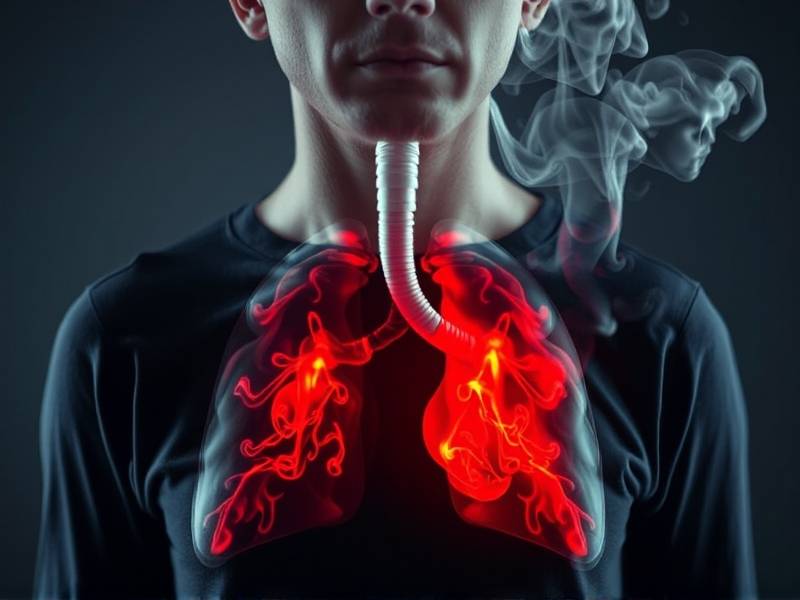
Can COPD Get Worse After Quitting Smoking? The short answer is no. Quitting smoking is a significant step towards improving lung health and preventing further deterioration of COPD. When you stop smoking, your lungs begin to heal, and the risk of complications decreases over time.
-
The Healing Process: After quitting smoking, your body starts to repair the damage caused by tobacco smoke. Over time, your lungs can clear out some of the mucus and debris accumulated in the airways, leading to improved breathing and reduced symptoms.
-
Reduced Risk of Complications: Smoking cessation significantly reduces the risk of developing additional respiratory complications in individuals with COPD. This includes reducing the chances of infections like pneumonia and exacerbations that can worsen COPD symptoms.
-
Improved Quality of Life: Quitting smoking can lead to an improvement in overall quality of life for individuals with COPD. It can help reduce shortness of breath, increase energy levels, and improve sleep quality.
-
Long-term Benefits: While quitting smoking may not completely reverse the damage caused by years of smoking, it can significantly slow down the progression of COPD over time. This means that individuals who quit early on in their disease have a better chance of maintaining their lung function and reducing their risk of complications.
-
Support Systems: Quitting smoking can be challenging, but there are various support systems available to help you succeed. These include counseling services, nicotine replacement therapy (NRT), prescription medications, and support groups.

Conclusion: In conclusion, quitting smoking is an essential step for individuals with COPD to improve their lung health and slow down disease progression. While it may take time for your lungs to heal completely, research shows that quitting smoking leads to significant improvements in overall well-being and reduces the risk of complications associated with COPD.
Remember that it's never too late to quit smoking and start living a healthier life. Seek professional advice if you're struggling to quit or need additional support on your journey towards better lung health.
Note: The information provided in this article is for general knowledge purposes only and should not replace medical advice from a healthcare professional. Always consult with a doctor or healthcare provider regarding any concerns related to your health or medical conditions.