
How Soon Does Blood Pressure Drop After Quitting Smoking?
"The Swift Journey to Lower Blood Pressure: How Quickly Does It Drop After Quitting Smoking?"
Introduction: The decision to quit smoking is a monumental step towards a healthier life. One of the most significant benefits of quitting smoking is the improvement in cardiovascular health, which includes a reduction in blood pressure. But how soon can you expect this positive change? Let's delve into the timeline and factors influencing the drop in blood pressure after quitting smoking.
Immediate Impact: The Immediate Drop in Blood Pressure It's no secret that smoking increases blood pressure. The moment you put out your last cigarette, your body begins its healing process. Within just 20 minutes of quitting, your heart rate and blood pressure start to decrease as nicotine levels in your bloodstream diminish.
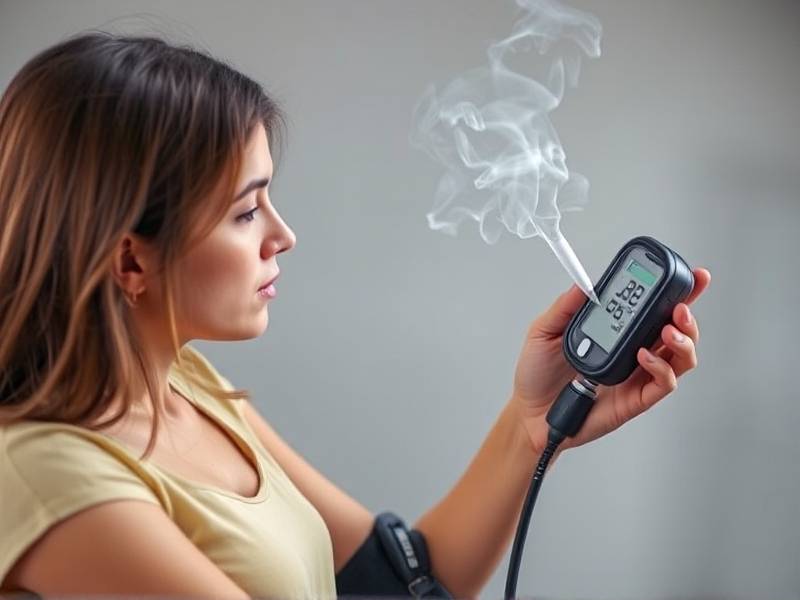
Weeks 1-2: A Steady Decline In the first few weeks after quitting, you might notice a gradual drop in your blood pressure. This decline is attributed to the reduction of harmful chemicals like carbon monoxide and nicotine that were previously affecting your cardiovascular system. On average, blood pressure can decrease by about 10-15 mmHg within this timeframe.

Months 3-6: A Significant Improvement By three months post-quit, most individuals experience a significant improvement in their blood pressure. This improvement is often enough to reduce the risk of heart disease and stroke. According to research from the American Heart Association, blood pressure can drop by an additional 5-10 mmHg during this period.
Years Post-Quit: Long-Term Benefits Long-term ex-smokers can expect their blood pressure to continue dropping further over time. Within five years of quitting smoking, your risk of heart attack and stroke can be reduced by up to 50%, according to data from the Centers for Disease Control and Prevention (CDC). Additionally, hypertension medications may be reduced or eliminated entirely for some individuals.
Factors Influencing Blood Pressure Reduction Several factors can influence how quickly your blood pressure drops after quitting smoking:
- Age: Younger individuals often see faster improvements.
- Duration of Smoking: Those who have smoked for longer periods may notice more gradual changes.
- Amount Smoked: Higher nicotine exposure means more significant changes post-quitting.
- Genetic Factors: Some people's bodies respond differently to nicotine withdrawal.
- Lifestyle Changes: Incorporating healthy eating habits and regular exercise can enhance the benefits.
Conclusion: Quitting smoking is a powerful step towards improving your cardiovascular health, including lowering blood pressure. While it may take several months for significant reductions in blood pressure to occur, every puff less smoked brings you closer to a healthier life. Remember, it's never too late to quit—start today for a healthier tomorrow!