
Does Tar Really Clear from Lungs After Quitting Smoking?
Introduction: The Persistent Question
When it comes to smoking, the debate over its effects on the body is ongoing. One of the most common concerns is whether tar, a harmful substance found in tobacco smoke, truly clears from the lungs after quitting smoking. This article delves into this question, exploring the science behind it and offering insights that might help those considering or in the process of quitting.
What is Tar?
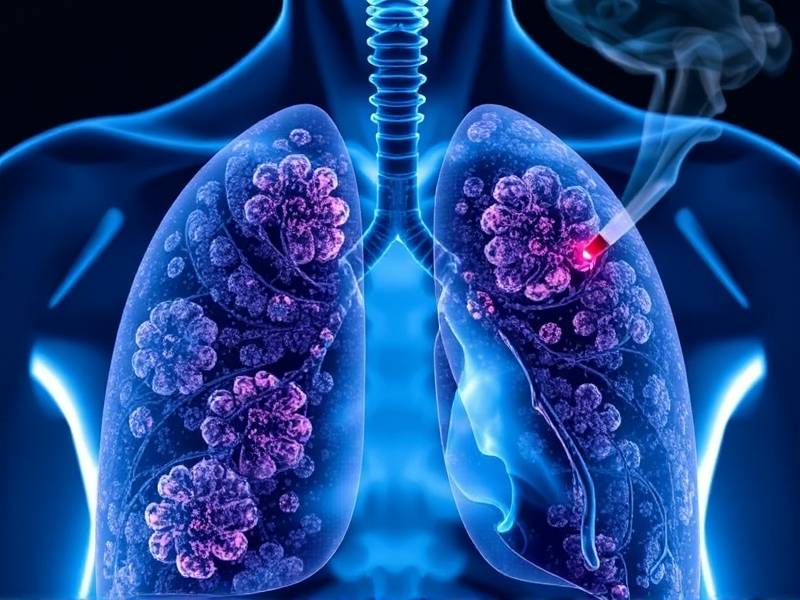
Tar is a sticky byproduct of burning tobacco. It's one of the most dangerous components of cigarette smoke and is known to cause severe damage to the lungs and other organs. When inhaled, tar accumulates in the lungs and can lead to various respiratory diseases.
The Process of Tar Removal
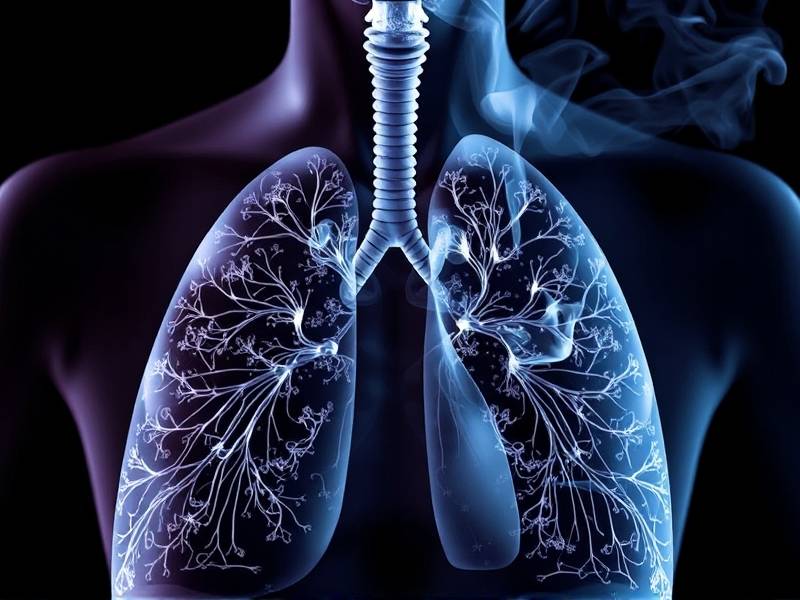
The body has a remarkable ability to heal itself. When you quit smoking, your body begins to repair itself. The removal of tar from your lungs is part of this healing process.
Early Stages
In the first few days after quitting, you might notice an increase in mucus production as your body starts to clear out tar and other debris from your airways. This is a positive sign that your body is working to rid itself of harmful substances.
Weeks 1-3
Within a few weeks, you may experience improved lung function and a decrease in coughing. Your sense of taste and smell may also start to return as your olfactory receptors recover from tar exposure.
Months 6-12
Over several months, you can expect significant improvements in lung capacity and overall respiratory health. X-rays or CT scans might show reduced density in areas previously affected by tar accumulation.
Scientific Evidence
Research supports the idea that tar does leave your lungs after quitting smoking. Studies have shown that within 9 months to a year after quitting, there's evidence of reduced airway obstruction and increased lung capacity compared to those who continue smoking.
Factors Influencing Tar Removal
Several factors can influence how quickly tar clears from your lungs:
- Duration of Smoking: The longer you've smoked, the more time it may take for your lungs to clear out tar.
- Quantity Smoked: Smokers who smoked heavily may need more time for their lungs to heal.
- Overall Health: People with better overall health may recover faster than those with underlying health issues.
Final Thoughts
Quitting smoking is a significant step towards better health. While it's true that tar can remain in your lungs for some time after quitting, it's also true that your body works diligently to remove this harmful substance over time. If you're considering quitting or are already on this journey, remember that every day without a cigarette brings you one step closer to healthier lungs.
For those looking for additional support on their journey towards a smoke-free life, numerous resources are available online and through healthcare providers. It's never too late to start improving your health by quitting smoking today!