
How Fast Does Lung Capacity Increase After Quitting Smoking?
The Swift Recovery of Lung Capacity Post-Quitting Smoking
Introduction: The journey to quitting smoking is a transformative one, not just for the body, but also for the lungs. One common question among smokers contemplating this life-altering decision is, "How fast does lung capacity increase after quitting smoking?" Understanding this can be a powerful motivator for those looking to improve their health and well-being.
Section 1: The Impact of Smoking on Lung Capacity
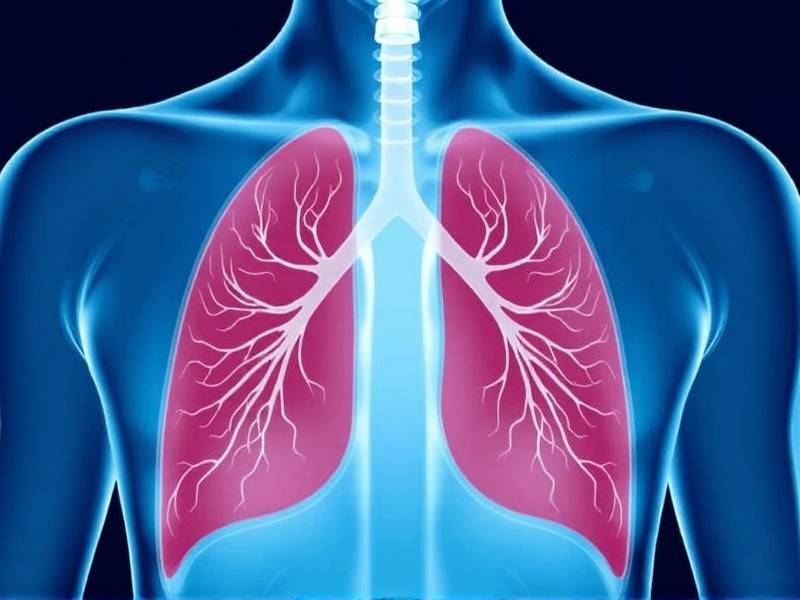
Before diving into the recovery process, it's essential to understand the impact smoking has on lung function. Smoking causes inflammation and damage to the airways and alveoli (air sacs) in the lungs. This damage can lead to a reduction in lung capacity, making it harder to breathe deeply and efficiently.
Section 2: The Recovery Process
The good news is that once you quit smoking, your lungs begin to repair themselves. Here's a closer look at how lung capacity can improve after quitting:
Subsection 1: Immediate Benefits Within just 48 hours of quitting, your risk of heart attack starts to decrease. After about three months, your lung function will improve significantly as your body clears out mucus and debris that accumulate from years of smoking.
Subsection 2: Short-Term Improvements After one year without smoking, your risk of coronary heart disease is cut in half. Your lungs continue to clear out tar and toxins, leading to further improvements in breathing capacity.
Subsection 3: Long-Term Recovery After five years of not smoking, your risk of stroke is reduced by almost the same amount as someone who has never smoked. Your lungs' overall health continues to improve as you move towards a decade smoke-free.
Section 3: Factors Influencing Recovery
It's important to note that while most people see significant improvements in their lung capacity within a year or two after quitting smoking, recovery rates can vary based on several factors:
- Duration of smoking history
- Age when you started smoking
- Overall health before quitting
- Environmental factors (such as exposure to secondhand smoke)
Conclusion:
Quitting smoking offers an incredible opportunity for your lungs to recover and regain their lost capacity. While the pace of recovery may differ from person to person, understanding the potential benefits can provide motivation and hope for those looking to make this life-changing decision. So if you're wondering how fast lung capacity increases after quitting smoking—consider this your answer: it happens quickly and continues improving over time with each smoke-free day.