
What Causes Lung Pain After Quitting Smoking?
Understanding the Roots of Lung Pain Post-Quitting Smoking
Introduction: The journey to quit smoking is often fraught with challenges, and one common concern among former smokers is the occurrence of lung pain. While it's a natural reaction to worry about any discomfort following such a significant lifestyle change, understanding the causes of this pain can provide clarity and reassurance. In this article, we delve into what might cause lung pain after quitting smoking.
1. The Healing Process
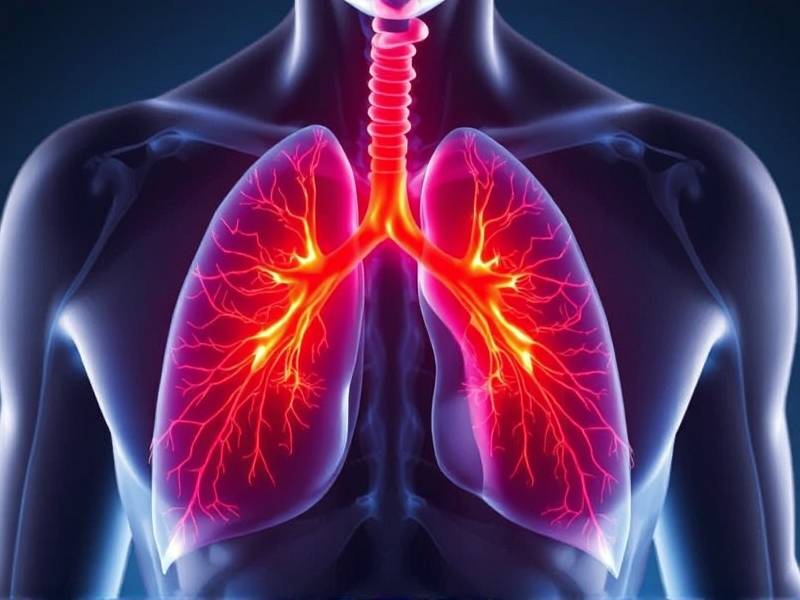
After quitting smoking, your body begins a healing process that can sometimes manifest in discomfort. Here's why:
-
Cilia Re-growth: The tiny hair-like structures called cilia that line your lungs help to remove mucus and particles from the airways. Smoking damages these cilia, but they start to grow back after quitting. This re-growth can lead to a temporary increase in mucus production and coughing, which may be painful.
-
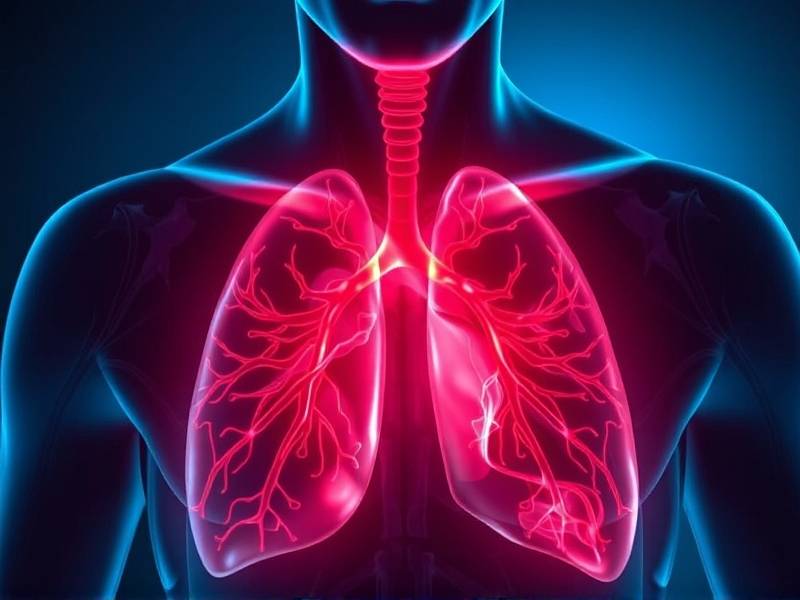
Inflammation Reduction: Smoking causes inflammation in the lungs, which is reduced when you stop. This decrease in inflammation can lead to changes in lung tissue that might cause pain as it adjusts.
2. Residual Nicotine Effects
Even though you've quit smoking, nicotine can still affect your body for a while:
-
Nicotine Withdrawal: Withdrawal symptoms can include headaches and muscle pain, which may be felt in the chest area due to its proximity to muscles involved in breathing.
-
Blood Vessel Constriction: Nicotine constricts blood vessels, which relax after quitting. The subsequent increase in blood flow might lead to chest discomfort as your body adjusts.
3. Respiratory Infections
Quitting smoking can make you more susceptible to respiratory infections:
-
Weakened Immune System: Smoking weakens the immune system, making it harder for your body to fight off infections like bronchitis or pneumonia.
-
Increased Mucus Production: These infections often cause an increase in mucus production, leading to coughing and chest pain.
4. Other Factors
There are additional factors that might contribute to lung pain post-quitting smoking:
-
Physical Activity: Increased physical activity after quitting smoking might lead to muscle strain or overexertion.
-
Environmental Factors: Exposure to pollutants or allergens post-quitting could also trigger chest pain.
Conclusion: Lung pain after quitting smoking is usually a sign of healing rather than long-term damage. While it's important not to ignore any persistent discomfort, understanding its causes can help alleviate anxiety and encourage continued efforts towards a smoke-free life. If you experience ongoing or severe pain, it's always advisable to consult with a healthcare professional for personalized advice and treatment options.