
How Does Quitting Smoking Reduce Heart Disease? The Science Behind the Benefits
How Quitting Smoking Reduces Heart Disease: Unveiling the Science Behind the Benefits
Introduction: Heart disease remains a leading cause of death worldwide. Smoking is a significant risk factor for heart disease, and quitting smoking can significantly reduce the risk of developing this condition. This article delves into the science behind how quitting smoking reduces heart disease and highlights the numerous benefits that come with it.
Section 1: Understanding Heart Disease Heart disease encompasses a range of conditions that affect the heart's structure and function. The most common form is coronary artery disease, where plaque builds up in the arteries, narrowing them and reducing blood flow to the heart muscle. This can lead to chest pain, shortness of breath, and even heart attacks.
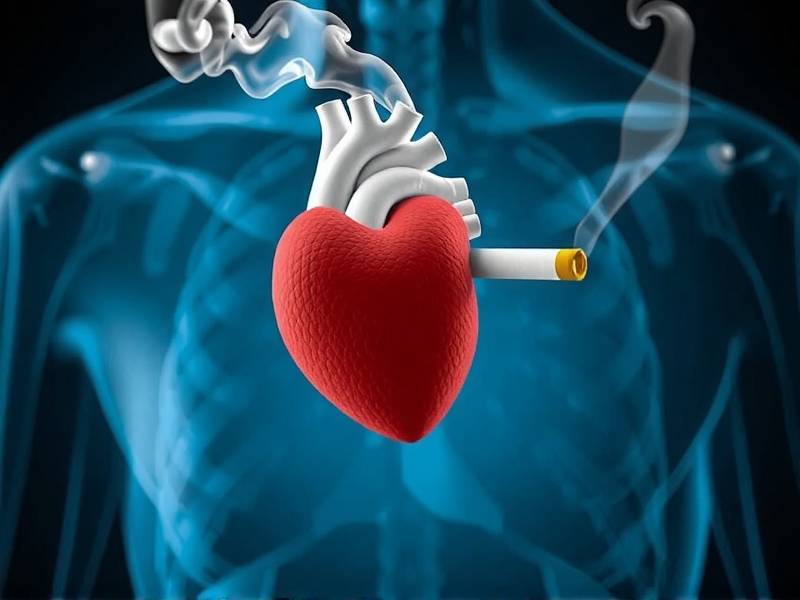
Section 2: The Link Between Smoking and Heart Disease Smoking is a major contributor to heart disease. The chemicals present in tobacco smoke can damage the lining of arteries, causing them to become inflamed and narrow. This process is known as atherosclerosis, which increases the risk of heart attacks and strokes.

Section 3: How Quitting Smoking Reduces Heart Disease When you quit smoking, your body begins to heal itself from the damage caused by tobacco smoke. Here's how:
Subsection 3.1: Improved Blood Flow Within just 24 hours of quitting smoking, your blood pressure starts to drop, improving blood flow throughout your body. Over time, this reduced pressure helps lower your risk of developing heart disease.
Subsection 3.2: Reduced Plaque Build-up Quitting smoking slows down the progression of atherosclerosis by reducing inflammation in your arteries. This allows for better blood flow and less plaque build-up over time.
Subsection 3.3: Enhanced Oxygen Supply Your lungs begin to repair themselves within weeks after quitting smoking, allowing for better oxygen supply to your heart muscle. This improves overall cardiac function and reduces the risk of heart attacks.
Section 4: Additional Benefits of Quitting Smoking for Heart Health Beyond reducing heart disease risk, quitting smoking offers numerous other benefits for cardiovascular health:
Subsection 4.1: Improved Cholesterol Levels Quitting smoking can help improve cholesterol levels by reducing LDL (bad) cholesterol while increasing HDL (good) cholesterol.
Subsection 4.2: Reduced Risk of Blood Clots The chemicals in tobacco smoke increase your risk of forming blood clots in arteries or veins, leading to stroke or other complications. Quitting smoking reduces this risk.
Conclusion: Quitting smoking is a powerful step towards reducing your risk of developing heart disease. By understanding how quitting smoke reduces plaque build-up, improves blood flow, and enhances oxygen supply to your heart muscle, you can make informed decisions about improving your cardiovascular health. Embrace this journey towards a healthier life by seeking support from healthcare professionals or joining support groups dedicated to helping smokers quit for good.