
Why Do Lungs Feel Tight After Quitting Smoking?
Understanding the sensation of tightness in your lungs after quitting smoking
Introduction: Quitting smoking is a significant step towards a healthier life, but it often comes with various challenges. One common issue reported by smokers who have quit is the sensation of tightness in their lungs. This article aims to explore the reasons behind this feeling and provide insights into how to manage it effectively.
I. The Impact of Smoking on Lungs: Smoking is known to cause severe damage to the lungs. Over time, it leads to inflammation, narrowing of airways, and accumulation of mucus. These changes can make the lungs feel tight and uncomfortable.
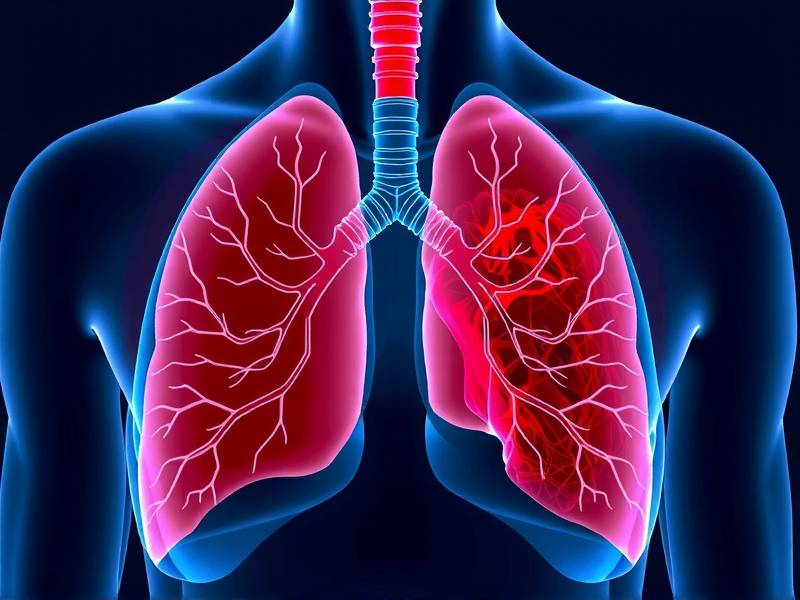
II. The Process of Lung Healing: When you quit smoking, your body starts healing itself from the damage caused by tobacco smoke. The process may vary from person to person, but here are some key aspects:
A. Inflammation reduction: Within days after quitting, your body begins to reduce inflammation in the lungs. This can lead to a temporary sensation of tightness as your body adjusts to the change.
B. Improved lung function: Over time, as inflammation decreases and mucus production reduces, your lung function improves. However, during this healing process, you might still experience tightness.
III. Factors Contributing to Tightness in Lungs After Quitting Smoking:
A. Nicotine withdrawal: Nicotine withdrawal can cause various symptoms, including tightness in the chest or throat. It's essential to understand that these symptoms are temporary and will diminish as your body adjusts.
B. Airway constriction: As mentioned earlier, smoking causes narrowing of airways due to inflammation and mucus accumulation. Quitting smoking helps in reducing these factors; however, it may take some time for your airways to fully open up.
C. Coughing: Coughing is a common symptom experienced by smokers who have quit. It helps clear out mucus and debris from the lungs but can also contribute to a feeling of tightness.
IV. Managing Tightness in Lungs After Quitting Smoking:
A. Stay hydrated: Drinking plenty of water helps thin out mucus and makes it easier for you to cough it up.
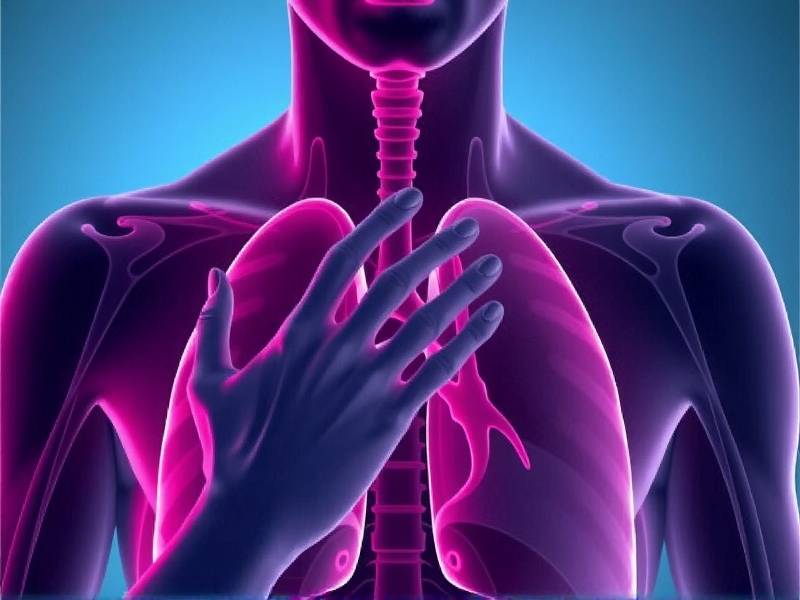
B. Practice deep breathing exercises: Deep breathing exercises can help improve lung capacity and reduce tightness.
C. Seek support: Joining a support group or talking to others who have quit smoking can be beneficial for sharing experiences and coping strategies.
Conclusion: The sensation of tightness in your lungs after quitting smoking is a normal part of the healing process. By understanding its causes and adopting effective strategies for managing it, you can make this transition smoother and more comfortable on your journey towards a healthier life without tobacco smoke.