
Can Quitting Smoking Really Lead to Congestive Heart Failure?
Introduction
The relationship between smoking and heart health is well-documented, with numerous studies linking smoking to an increased risk of heart disease. However, there's a common concern that quitting smoking might lead to congestive heart failure. This article aims to explore this issue, providing insights into the risks and benefits of quitting smoking, and addressing the question: Can quitting smoking really lead to congestive heart failure?
Understanding Congestive Heart Failure
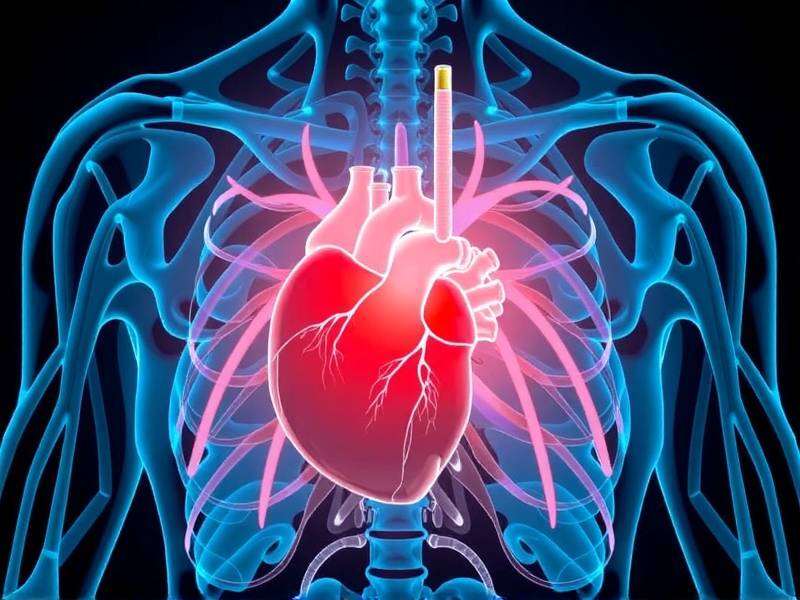
Before diving into the question, it's essential to understand what congestive heart failure (CHF) is. CHF is a condition where the heart can't pump blood effectively, leading to fluid buildup in the body's tissues and organs. While it's a serious condition, it's important to note that not all individuals who quit smoking will develop CHF.
The Risks of Smoking
Smoking has been identified as a leading cause of cardiovascular diseases, including CHF. The chemicals in cigarettes can damage the lining of arteries, increase blood pressure, and increase the risk of blood clots. Over time, this damage can lead to heart disease and other cardiovascular issues.
Benefits of Quitting Smoking
On the flip side, quitting smoking has been proven to significantly reduce the risk of developing CHF and other cardiovascular diseases. Within just 24 hours of quitting, your heart rate and blood pressure begin to drop. Within two weeks to three months after quitting, your risk of a heart attack decreases significantly.
The Myth About Quitting Smoking Leading to CHF
The belief that quitting smoking can lead to CHF is largely based on misconceptions rather than scientific evidence. While it's true that sudden withdrawal from nicotine can cause some temporary symptoms like palpitations or increased blood pressure in some individuals, these symptoms are not indicative of CHF.
Long-Term Benefits Outweigh Short-Term Risks
It's crucial for individuals considering quitting smoking to understand that the long-term benefits far outweigh any potential short-term risks or discomforts they may experience during withdrawal. By quitting smoking, you're taking a significant step towards improving your overall health and reducing your risk of developing CHF.

Conclusion
In conclusion, while there is no evidence suggesting that quitting smoking directly leads to congestive heart failure, it does pose certain short-term challenges for some individuals. However, these challenges pale in comparison to the long-term benefits of quitting smoking and reducing your risk of developing cardiovascular diseases like CHF. So if you're contemplating making the switch from cigarettes to a smoke-free lifestyle, rest assured that you're making a decision that will undoubtedly improve your health in the long run.