
Does Quitting Smoking Really Make You Sweat at Night?
Does Quitting Smoking Really Make You Sweat at Night? Unveiling the Truth
Introduction: The journey to quit smoking can be challenging, and many individuals often experience various symptoms during the process. One common concern is whether quitting smoking can lead to night sweats. In this article, we will delve into the scientific evidence and shed light on this intriguing topic.
Section 1: Understanding Night Sweats What are Night Sweats? Night sweats refer to excessive sweating during sleep, often accompanied by chills and a feeling of overheating. While night sweats can be caused by various factors, such as stress, menopause, or medical conditions, they are also a common symptom experienced by smokers during the quitting process.
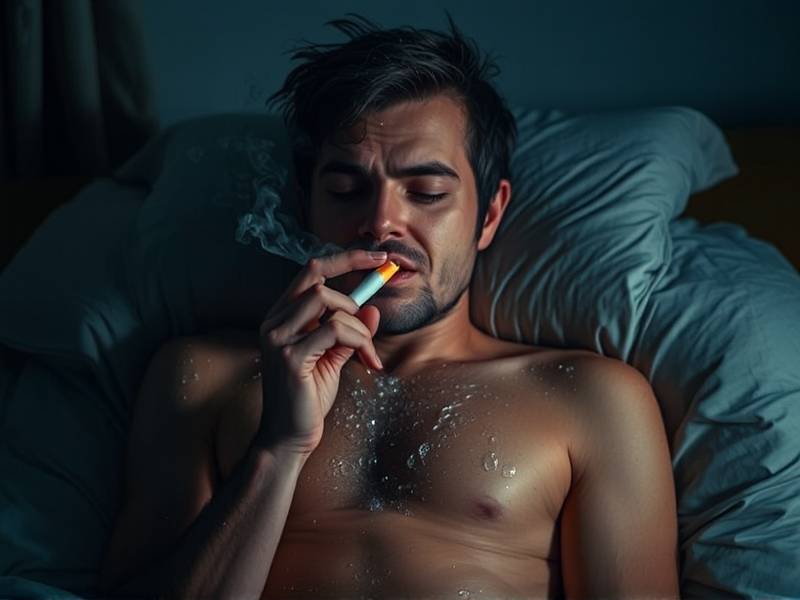
Section 2: The Science Behind Night Sweats Nicotine Withdrawal and Night Sweats When you quit smoking, your body goes through nicotine withdrawal. Nicotine is a stimulant that affects the nervous system and can disrupt your sleep patterns. As your body adjusts to lower levels of nicotine, it may experience night sweats as part of the detoxification process.
Stress and Anxiety Quitting smoking can also lead to increased stress and anxiety levels. Stress is known to trigger night sweats in some individuals. The combination of nicotine withdrawal and heightened stress levels may contribute to the occurrence of night sweats during sleep.
Section 3: Managing Night Sweats Tips for Coping with Night Sweats While night sweats can be uncomfortable, there are several strategies you can employ to manage them:
- Maintain a Cool Environment: Keep your bedroom cool by using fans or air conditioning.
- Wear Light Bedding: Opt for breathable fabrics like cotton or silk to reduce discomfort.
- Stay Hydrated: Drink plenty of water throughout the day to stay hydrated.
- Practice Relaxation Techniques: Engage in relaxation techniques such as deep breathing exercises or meditation before bedtime.
- Consult Your Healthcare Provider: If night sweats persist or worsen, it's essential to consult your doctor for further evaluation.
Conclusion: While quitting smoking may indeed lead to night sweats in some individuals due to nicotine withdrawal and increased stress levels, it is essential to understand that this symptom is temporary. By implementing effective coping strategies and seeking support from healthcare professionals when needed, you can navigate through this phase successfully on your journey towards a smoke-free life.
Remember, quitting smoking offers numerous health benefits that outweigh any temporary challenges you may face along the way. Embrace this transformational journey with determination and patience, and soon enough, you'll be reaping the rewards of a healthier lifestyle!