
Will Your Lungs Hurt After You Quit Smoking?
The Journey to Health: Understanding Lung Pain After Quitting Smoking
Introduction: Quitting smoking is a significant step towards improving one's health, but it's natural to wonder about the aftermath. Many smokers are concerned about lung pain after quitting. This article aims to shed light on this topic, providing insights into what to expect and how to manage any discomfort that may arise.
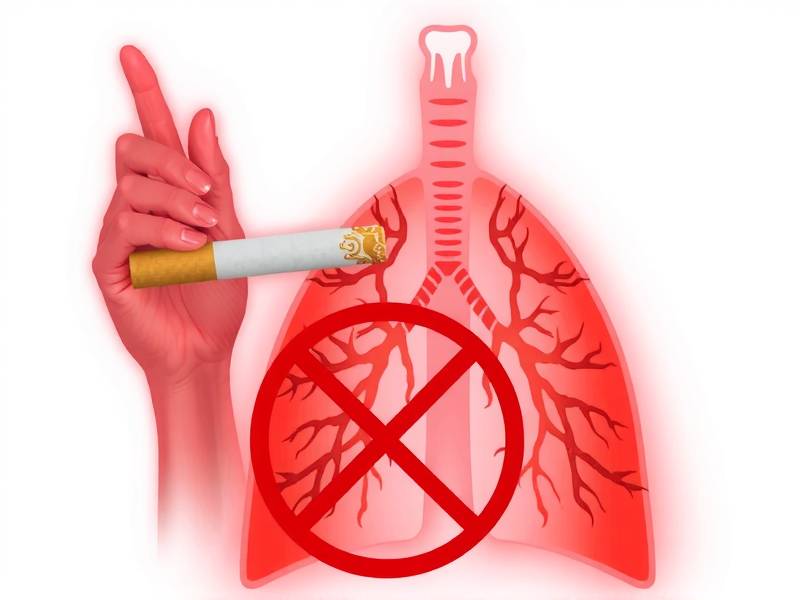
Understanding the Link Between Smoking and Lung Pain
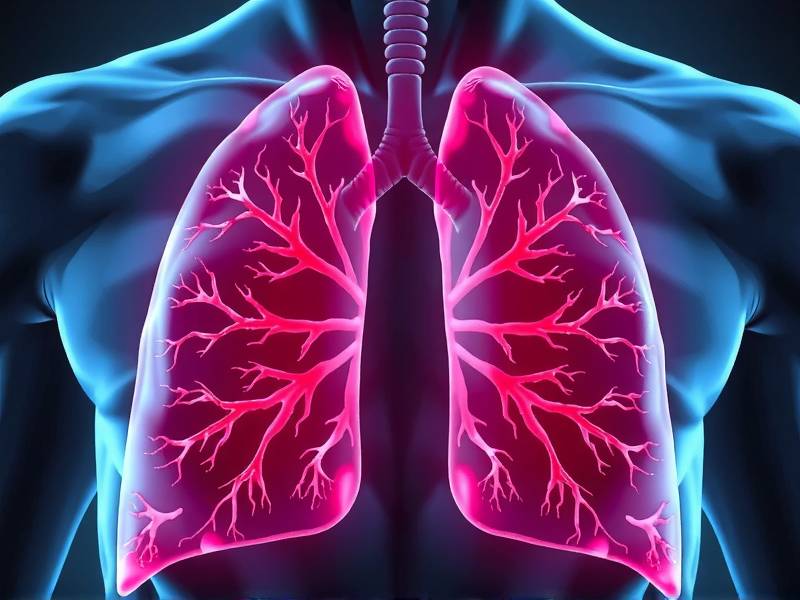
1. The Impact of Smoking on Lungs
Smoking is a leading cause of lung diseases such as chronic obstructive pulmonary disease (COPD), emphysema, and lung cancer. The chemicals in tobacco smoke damage the delicate tissues of the lungs, leading to inflammation and pain.
2. Withdrawal Symptoms
When you quit smoking, your body begins to heal from the damage caused by tobacco smoke. However, this healing process can sometimes result in withdrawal symptoms, including chest pain or discomfort.
Common Symptoms After Quitting Smoking
1. Chest Pain
Some individuals may experience chest pain after quitting smoking. This pain can be sharp or dull and may be accompanied by a tightness or pressure sensation in the chest area.
2. Shortness of Breath
Another common symptom is shortness of breath, which can be attributed to the healing process in your lungs. As your lungs clear out tar and other harmful substances, you may notice an improvement over time.
3. Coughing
Coughing can be a significant symptom after quitting smoking, as your body works to expel mucus and debris from the lungs.
Managing Lung Pain After Quitting Smoking
1. Gradual Reduction in Nicotine Intake
To minimize withdrawal symptoms and associated lung pain, consider gradually reducing your nicotine intake rather than quitting cold turkey.
2. Seek Professional Help
If you experience persistent chest pain or other concerning symptoms after quitting smoking, consult a healthcare professional for advice and support.
3. Practice Breathing Exercises
Breathing exercises can help improve lung function and alleviate discomfort in the chest area.
Conclusion:
Quitting smoking is a challenging yet rewarding journey towards better health. While it's natural to worry about potential side effects like lung pain after quitting, understanding these symptoms and seeking appropriate support can help make this transition smoother. Remember that every step towards quitting smoking is a step towards a healthier life!