Do Your Lungs Really Repair Themselves When You Quit Smoking?
Understanding the Recovery Process
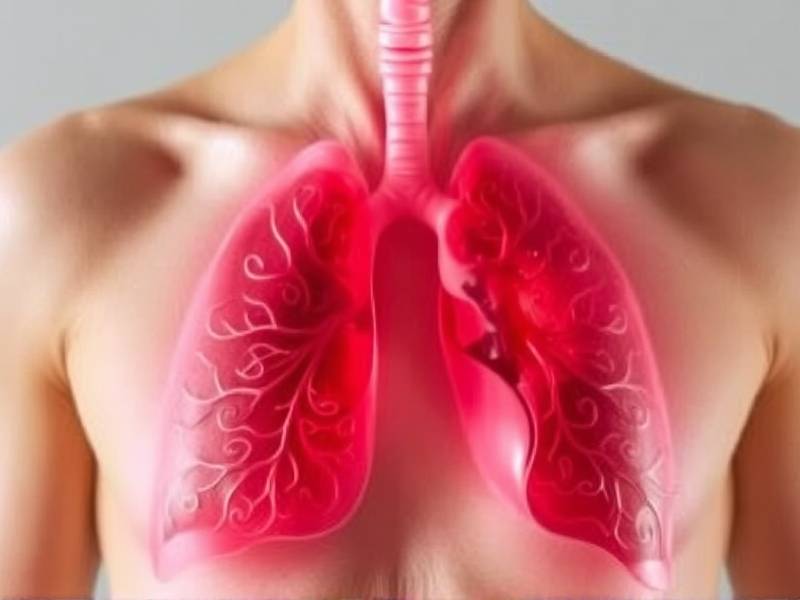
Have you ever wondered if your lungs can truly heal themselves after you quit smoking? The answer is a resounding yes, but it's important to understand the process and what it entails. Let's delve into how your lungs recover and what you can expect.
The Immediate Impact of Quitting Smoking
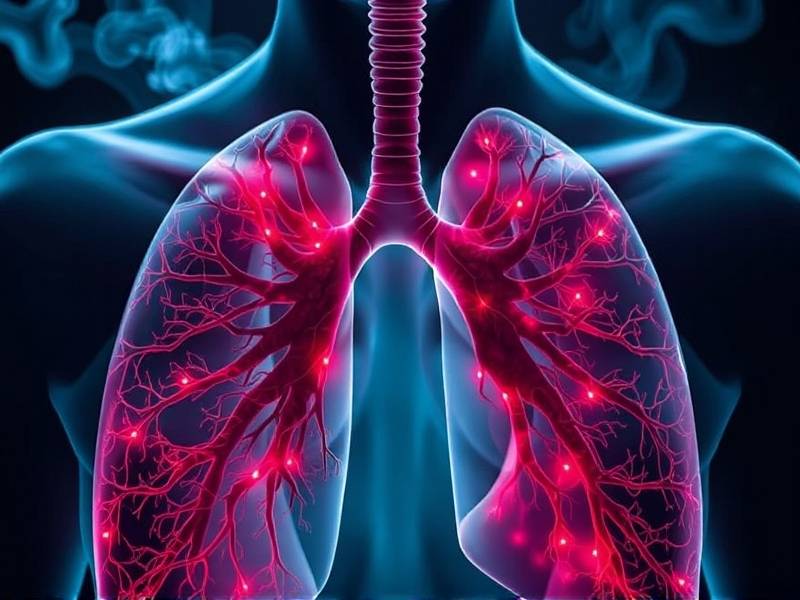
When you stop smoking, your body immediately begins to repair itself. The first few days are often the hardest, as your body adjusts to the lack of nicotine. However, within hours of quitting, your blood pressure and heart rate start to stabilize, which is a positive sign for your respiratory health.
Long-Term Healing: A Gradual Process
Over time, your lungs undergo several changes that contribute to their healing process:
Cilia Rejuvenation
The tiny hair-like structures in your lungs called cilia play a crucial role in removing mucus and debris. When you smoke, these cilia become damaged and less effective. However, they begin to regenerate within weeks of quitting, improving the function of your airways.
Decreased Inflammation
Smoking causes chronic inflammation in the lungs. As you stop smoking, this inflammation decreases significantly over time, leading to improved lung function.
Cancer Risk Reduction
Quitting smoking reduces your risk of developing lung cancer and other respiratory diseases. While it's impossible to reverse all damage caused by smoking, quitting significantly lowers future risks.
The Role of Lifestyle Choices
While quitting smoking is a significant step towards lung health, it's not the only factor at play. Here are some additional ways to support lung recovery:
- Regular Exercise: Physical activity improves lung capacity and circulation.
- Healthy Diet: Eating a balanced diet rich in fruits, vegetables, and antioxidants can help reduce inflammation.
- Avoid Exposure: Stay away from secondhand smoke and pollution as much as possible.
Expert Insights: What the Studies Say
Research conducted by reputable organizations like the American Lung Association provides valuable insights into lung recovery after quitting smoking. Studies have shown that former smokers who quit before middle age can achieve nearly normal lung function compared to those who continue smoking.
Your Journey: Personal Stories
Hearing from others who have successfully quit smoking can be incredibly motivating. Many ex-smokers share their experiences online or through support groups. These stories highlight the resilience of the human body and serve as inspiration for those considering quitting.
Conclusion: The Path to Better Health
In conclusion, while there's no quick fix for repairing damaged lungs due to smoking, quitting is a powerful step towards recovery. Your body will gradually heal itself with time and support from healthy lifestyle choices. Remember that every day without a cigarette is a step towards better health for your lungs and overall well-being.