
Does Your Body Hurt After You Quit Smoking? The Truth About Physical Changes When You Give Up Smokin
Does Your Body Hurt After You Quit Smoking? The Truth About Physical Changes When You Give Up Smoking
Introduction: Quitting smoking is a significant step towards a healthier life, but it's not uncommon to experience physical discomfort during the withdrawal process. Many smokers wonder if the body aches and pains they feel after quitting are just part of the quitting process or if there's more to it. In this article, we delve into the truth about physical changes when you give up smoking and explore how your body reacts to this lifestyle change.
1. Withdrawal Symptoms and Body Aches
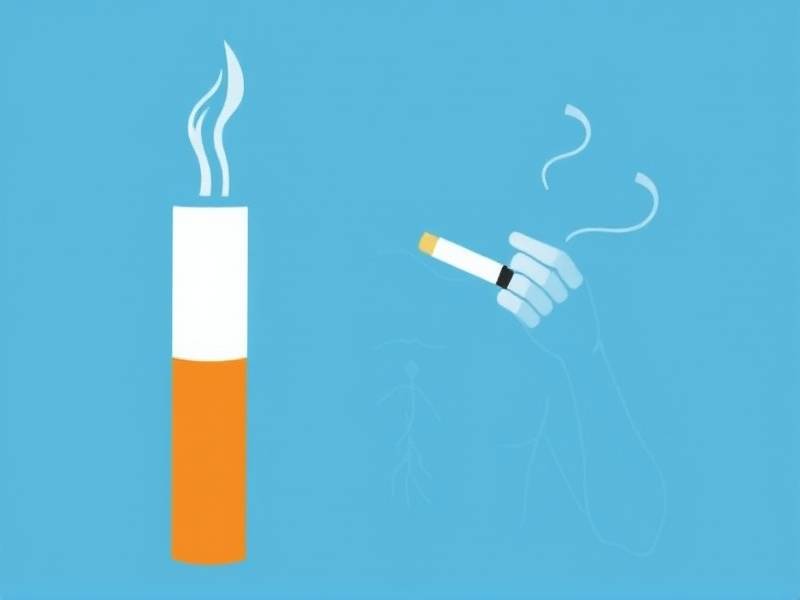
When you quit smoking, your body goes through a period of withdrawal as it adjusts to the absence of nicotine. This can lead to various symptoms, including body aches and pains. Here are some common reasons why you might feel sore after quitting:
- Muscle Tension: Nicotine acts as a muscle relaxant, so when you stop smoking, your muscles may become tense and sore.
- Increased Blood Flow: Without nicotine, blood flow improves throughout your body. This increased blood flow can lead to discomfort as your muscles work harder.
- Increased Caffeine Sensitivity: Many smokers consume caffeine along with their cigarettes. When you quit, your tolerance for caffeine decreases, which can contribute to headaches and overall discomfort.
2. The Role of Exercise
It's essential to incorporate regular exercise into your routine when you quit smoking. Exercise helps alleviate withdrawal symptoms by releasing endorphins, which are natural painkillers produced by your brain.
Engaging in activities like walking, jogging, or yoga can help reduce muscle tension and improve flexibility. Additionally, exercise increases metabolism and promotes weight loss, which can further enhance your overall well-being.
3. Proper Nutrition
A balanced diet plays a crucial role in managing withdrawal symptoms and supporting your body's healing process after quitting smoking. Incorporate plenty of fruits, vegetables, lean proteins, whole grains, and healthy fats into your meals.
Vitamin C-rich foods like oranges and strawberries can help reduce inflammation in the body while vitamin B6 can aid in reducing stress levels associated with withdrawal.
4. Hydration
Staying hydrated is vital for overall health and recovery from withdrawal symptoms. Drink plenty of water throughout the day to support kidney function and flush out toxins from your system.
5. Patience and Support

It's important to remember that the physical changes experienced after quitting smoking are temporary. Be patient with yourself during this transition period.
Seeking support from friends, family members, or support groups can also make the journey easier. Share your experiences with others who have gone through similar challenges; they may offer valuable advice or simply provide emotional support.
Conclusion: Quitting smoking is a challenging endeavor that requires time and patience for both mental and physical adjustments. Understanding the truth about physical changes when you give up smoking can help prepare you for what lies ahead during this transformative journey towards better health.
Remember that these temporary discomforts are just a small price to pay for a healthier life free from tobacco-related diseases. Stay committed to your goals, take care of yourself physically by incorporating exercise and proper nutrition into your routine, seek support when needed, and be patient as your body adjusts to its new smoke-free state.