
Why Quitting Smoking Is Hard: The Truth You Need to Know
The Challenge of Smoking Cessation
Quitting smoking is one of the most significant steps an individual can take to improve their health. However, it's also one of the most challenging. Understanding why it's so difficult to quit smoking can provide valuable insights into developing effective strategies for success.
The Physical and Psychological Factors
Physical Dependence
Nicotine, the primary addictive substance in tobacco, is a highly potent stimulant. When you smoke, nicotine rapidly enters your bloodstream, triggering a release of dopamine, a neurotransmitter associated with pleasure and reward. Over time, your body becomes accustomed to this artificial boost, leading to physical dependence.
This physical addiction makes it difficult to stop smoking because your body craves nicotine. Withdrawal symptoms such as cravings, irritability, anxiety, and headaches can be severe and last for weeks or even months after quitting.
Psychological Dependence
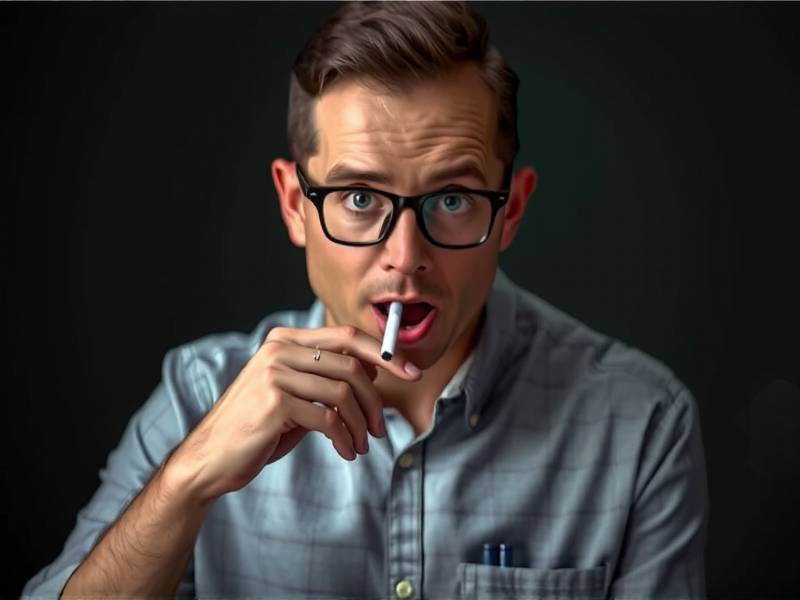
Beyond physical dependence, there's also a psychological component to smoking. Many people smoke out of habit or as a way to cope with stress or boredom. Breaking these habits and finding alternative coping mechanisms can be equally challenging.
Social and Environmental Factors
Social Pressures
Smoking is often seen as a social activity. For many smokers, the act of smoking is intertwined with social gatherings or specific social contexts. This association can make quitting feel like giving up part of their identity or missing out on social activities.
Environmental Triggers
Environmental triggers such as seeing others smoke or being in places where smoking was previously permitted can trigger cravings and make quitting more difficult.
Strategies for Success
Gradual Reduction
Instead of trying to quit cold turkey, consider gradually reducing your cigarette consumption over time. This approach allows your body to adjust to lower levels of nicotine and may make withdrawal symptoms more manageable.
Nicotine Replacement Therapy (NRT)
NRT products such as patches, gum, lozenges, inhalers, and nasal sprays can help alleviate withdrawal symptoms by providing controlled doses of nicotine without the harmful effects of tobacco smoke.
Behavioral Changes
Identifying and changing behaviors associated with smoking can also help you quit. For example, if you smoke while drinking coffee or after meals, find alternative activities to replace these habits.
Support Systems
Seeking support from friends, family members, or support groups can provide emotional support and practical advice during your journey to quit smoking.
Conclusion
Quitting smoking is hard due to the complex interplay between physical dependence on nicotine, psychological factors related to habits and coping mechanisms, social pressures associated with smoking culture, and environmental triggers that make it difficult to avoid cravings. However, understanding these challenges allows you to develop strategies that increase your chances of success in quitting smoking for good.