
Will Veins Repair After Quitting Smoking?
Understanding the Impact of Smoking on Veins
Smoking is widely recognized as a major risk factor for various health issues, including cardiovascular diseases. Among the many negative impacts of smoking, the damage it can cause to veins is often overlooked. But what happens to our veins when we quit smoking? Can they repair themselves?
The Damage Smoking Does to Veins
Veins are crucial for carrying blood back to the heart. When you smoke, the nicotine and other harmful chemicals can cause a variety of problems with your veins:
- Thickening of Vein Walls: Nicotine can lead to thickening of the walls of your veins, which can impede blood flow.
- Increased Risk of Blood Clots: Smoking increases the risk of developing blood clots, which can lead to serious conditions like deep vein thrombosis (DVT) or pulmonary embolism.
- Inflammation: Chronic inflammation in the veins can damage their walls and affect their ability to function properly.
The Potential for Repair
The good news is that your body has an incredible ability to repair itself. When you quit smoking, your body begins a process of healing and repair. Here's how your veins might benefit:
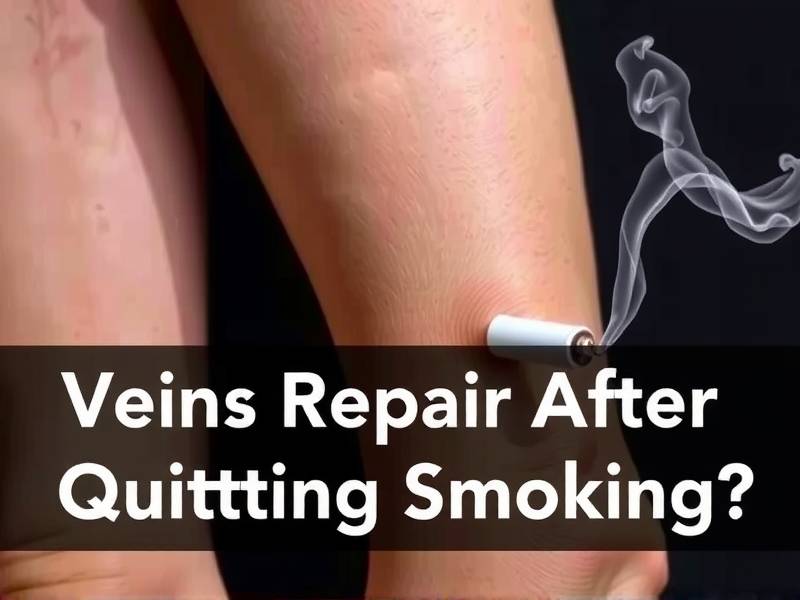
1. Improved Blood Flow
Within a few weeks of quitting, you may notice improved blood flow due to reduced inflammation and thickening in your veins.
2. Decreased Risk of Blood Clots
Research suggests that within a year after quitting smoking, your risk of developing blood clots decreases significantly compared to when you were smoking.
3. Enhanced Vein Function
Over time, as inflammation decreases and blood flow improves, your veins may regain their normal function.
How Long Does It Take?
The exact timeline for vein repair varies from person to person. Some individuals may notice improvements within weeks, while others may take several years. It's important to note that while some damage may be repaired, not all damage caused by smoking is reversible.
What You Can Do
To support vein repair after quitting smoking:
- Stay Active: Regular exercise improves circulation and strengthens your cardiovascular system.
- Eat a Healthy Diet: A balanced diet rich in fruits, vegetables, whole grains, and lean proteins can help reduce inflammation.
- Manage Stress: Chronic stress can exacerbate inflammation; find ways to manage stress through activities like meditation or yoga.
Conclusion
Quitting smoking is not only beneficial for your heart but also for your veins. While some damage caused by smoking cannot be reversed completely, giving up this habit gives your body a chance to repair itself over time. So if you're considering quitting or have already taken this step towards better health, remember that every day without a cigarette is another step toward healing and improving your overall well-being.