
Will I Get Lung Cancer If I Quit Smoking?
"Will I Get Lung Cancer If I Quit Smoking? Debunking the Myths"
Subheading: "Understanding the Impact of Smoking Cessation on Lung Health"
Introduction: The decision to quit smoking is one of the most significant steps an individual can take for their health. However, many smokers are hesitant to quit due to concerns about their future health, particularly the risk of developing lung cancer. This article aims to address this concern by providing accurate information about the impact of quitting smoking on lung cancer risk.
Section 1: The Link Between Smoking and Lung Cancer Smoking is a leading cause of lung cancer. The chemicals in tobacco smoke can damage the cells in your lungs, leading to mutations that can result in cancerous growths. It's important to understand that while smoking increases your risk, it doesn't guarantee you will develop lung cancer.
Subsection 1.1: The Immediate Impact of Quitting When you quit smoking, you begin to reduce your risk of lung cancer almost immediately. According to the American Lung Association, within just 48 hours of quitting, your carbon monoxide levels drop significantly, and your blood circulation improves.
Subsection 1.2: Long-Term Benefits Over time, quitting smoking can significantly reduce your risk of developing lung cancer. For instance, within 5-10 years after quitting, your risk decreases by half compared to that of a continuing smoker.
Section 2: Other Factors Influencing Lung Cancer Risk While quitting smoking is crucial for reducing lung cancer risk, it's important to remember that other factors also play a role.
Subsection 2.1: Genetic Factors Your genetic makeup can influence your susceptibility to lung cancer. However, quitting smoking is still one of the most effective ways to lower this risk.
Subsection 2.2: Environmental Exposures Exposure to radon gas and other environmental pollutants can also increase your risk of lung cancer. Quitting smoking does not eliminate these risks but reduces them significantly.
Section 3: The Importance of Early Detection Early detection is key in treating lung cancer effectively. Regular check-ups and screenings can help identify any potential issues early on.
Subsection 3.1: Screening Recommendations The American Cancer Society recommends annual low-dose computed tomography (LDCT) scans for adults aged 50-80 who have smoked at least a pack a day for 20 years or more.
Section 4: Taking Action – How to Quit Smoking Now that we've addressed the myth about developing lung cancer after quitting smoking, it's time to focus on taking action towards a smoke-free life.
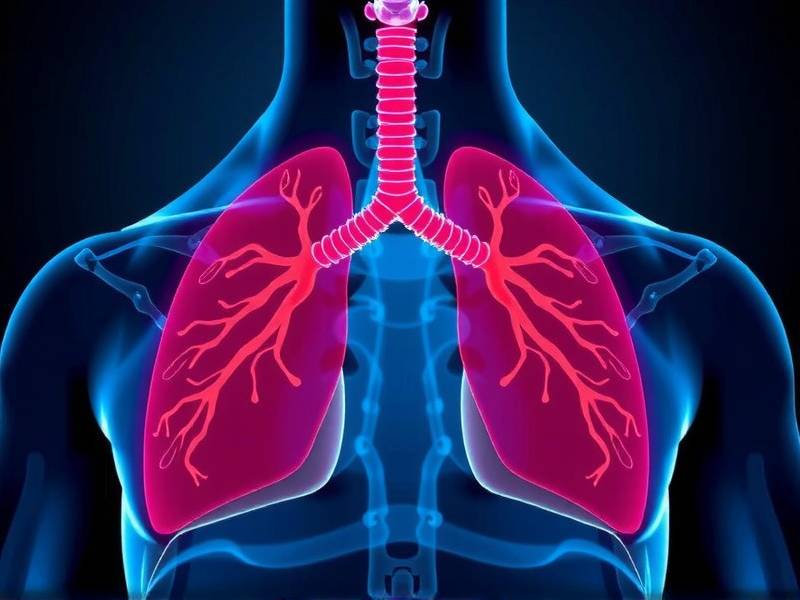
Subsection 4.1: Strategies for Success Developing a personalized plan for quitting can increase your chances of success. This may include seeking support from friends and family, joining a support group, or using nicotine replacement therapy or prescription medications.
Conclusion: Quitting smoking is a powerful step towards reducing your risk of developing lung cancer and improving overall health. While no single action can eliminate all risks entirely, making this change significantly lowers your chances and sets you on a path towards better health outcomes.