
Does Lung Capacity Improve After Quitting Smoking?
The Transformative Journey: How Quitting Smoking Enhances Lung Capacity
Introduction: Quitting smoking is a significant step towards better health, and one of the most noticeable benefits is the improvement in lung capacity. This article delves into how quitting smoking can lead to enhanced lung function and overall well-being.
Understanding Lung Capacity: Lung capacity refers to the volume of air your lungs can hold. Smoking affects lung capacity by damaging the alveoli, the tiny air sacs in your lungs responsible for oxygen exchange. Over time, these damages can lead to reduced lung capacity and compromised respiratory health.
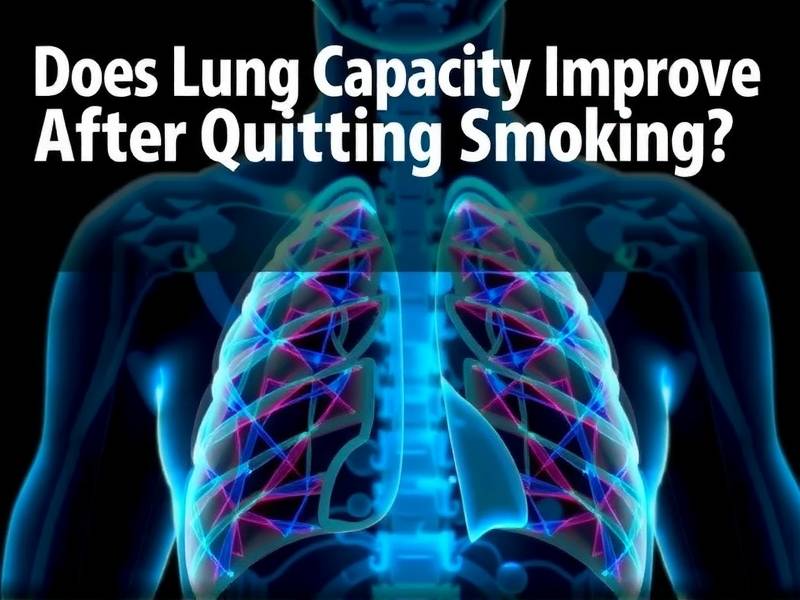
The Gradual Improvement Post-Quitting: Research indicates that within a few weeks of quitting smoking, you'll begin to notice improvements in your lung function. Here's how:
-
Early Improvements:
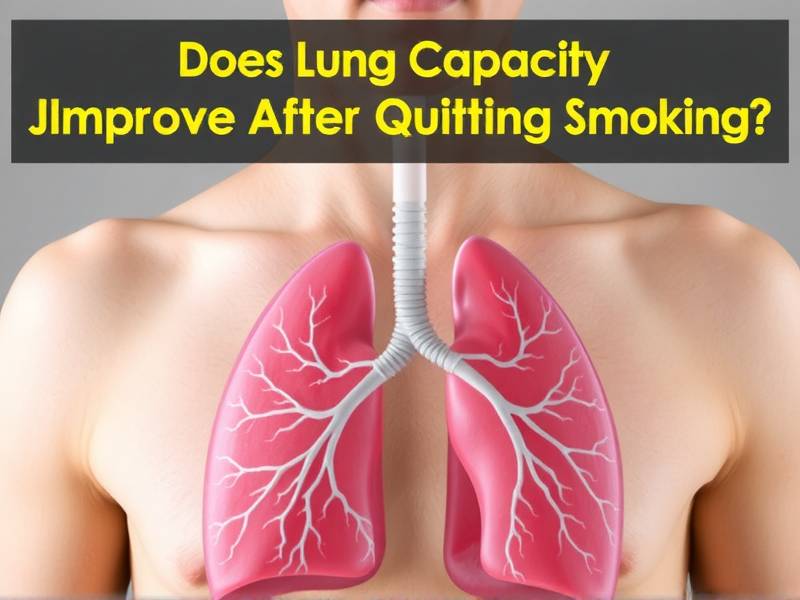
- Within 48 hours of quitting, your carbon monoxide levels drop to normal.
- Within 2-3 weeks, your circulation improves as oxygen flow increases.
- Your senses of smell and taste start to improve as the cilia in your nose and throat regenerate.
-
Medium-Term Improvements:
- After 1-9 months, you may notice a decrease in shortness of breath.
- Your lung function continues to improve as the cilia clear out mucus from your lungs.
-
Long-Term Improvements:
- After 1-5 years, the risk of heart disease is reduced by half compared to continuing smokers.
- After 10 years, the risk of dying from lung cancer is about half that of continuing smokers.
- After 15 years or more since quitting, the risk of dying from heart disease is similar to that of people who never smoked.
Scientific Evidence: Several studies support these findings:
- A study published in "The New England Journal of Medicine" found that former smokers had significantly better lung function than current smokers.
- Another study in "Respiratory Research" showed that quitting smoking can lead to improvements in lung capacity even after many years of smoking.
Lung Function Tests: If you're a former smoker or considering quitting, it's beneficial to undergo pulmonary function tests (PFTs) before and after quitting. These tests measure how well your lungs are working and can help track improvements over time.
Conclusion: Quitting smoking not only improves overall health but also enhances lung capacity. By taking this crucial step towards a smoke-free life, individuals can experience tangible benefits within weeks and continue reaping rewards for years to come. Embrace this transformative journey for a healthier future!