
Why Do My Lungs Hurt After Quitting Smoking? The Science Behind the Pain
Why Do My Lungs Hurt After Quitting Smoking? The Science Behind the Pain
Introduction: Quitting smoking is a significant step towards a healthier lifestyle, but it often comes with unexpected challenges. One common issue faced by many ex-smokers is the discomfort or pain in their lungs. This article delves into the science behind this phenomenon, offering insights into why lungs hurt after quitting smoking.
I. Understanding Lung Pain Post-Quitting Smoking
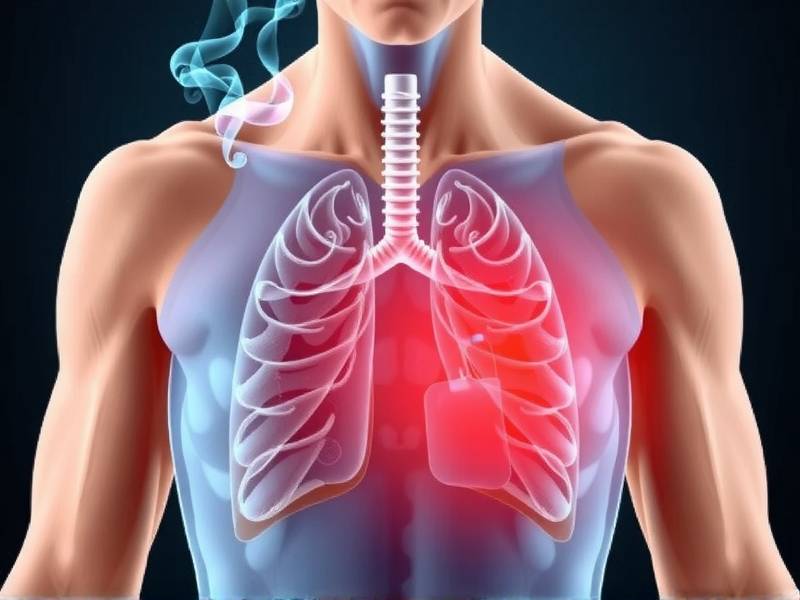
A. The Immediate Impact of Quitting Smoking When you quit smoking, your body undergoes a series of changes. The absence of nicotine triggers a cascade of physiological responses that can lead to discomfort or pain in the lungs.
B. Coughing and Mucus Production One of the most noticeable symptoms after quitting smoking is an increase in coughing and mucus production. This happens as your body tries to clear out tar and other harmful substances accumulated in the lungs over time.
II. The Role of Inflammation
A. Inflammation as a Response to Quitting Smoking Inflammation is a natural response of the body to injury or infection. When you quit smoking, your body's immune system responds to the sudden absence of toxins by triggering inflammation in the lungs.
B. Chronic Inflammation and its Effects on Lung Health Chronic inflammation can lead to various lung conditions, such as bronchitis and emphysema, exacerbating the pain experienced post-quit.
III. The Healing Process
A. The Body's Ability to Heal The human body has an incredible ability to heal itself, even after years of smoking-related damage. However, this process can be slow and painful.
B. Long-term Healing Expectations It's important for ex-smokers to understand that healing takes time. As your lungs continue to clear out toxins and repair damaged tissue, you may experience varying degrees of pain or discomfort.
IV. Coping with Lung Pain After Quitting Smoking
A. Medical Interventions If lung pain persists or becomes severe, it's essential to consult a healthcare professional for appropriate treatment options.
B. Lifestyle Adjustments Making positive lifestyle changes, such as staying hydrated, exercising regularly, and avoiding secondhand smoke exposure, can help alleviate lung pain post-quit.
Conclusion: Lung pain after quitting smoking is a common challenge faced by many individuals on their journey towards better health. Understanding the science behind this phenomenon can help you cope better with discomfort during this critical phase of recovery. Remember that patience and persistence are key factors in overcoming this temporary setback on your path to becoming smoke-free.