
What Happens to Your Lungs When You Quit Smoking: A Comprehensive Guide
What Happens to Your Lungs When You Quit Smoking: A Comprehensive Guide
Introduction: Smoking has been a long-standing habit for many individuals, but the health risks associated with it are well-documented. Quitting smoking is one of the most significant steps one can take to improve their health, especially for the lungs. This comprehensive guide will explore what happens to your lungs when you quit smoking, providing you with valuable insights into the journey of lung recovery.
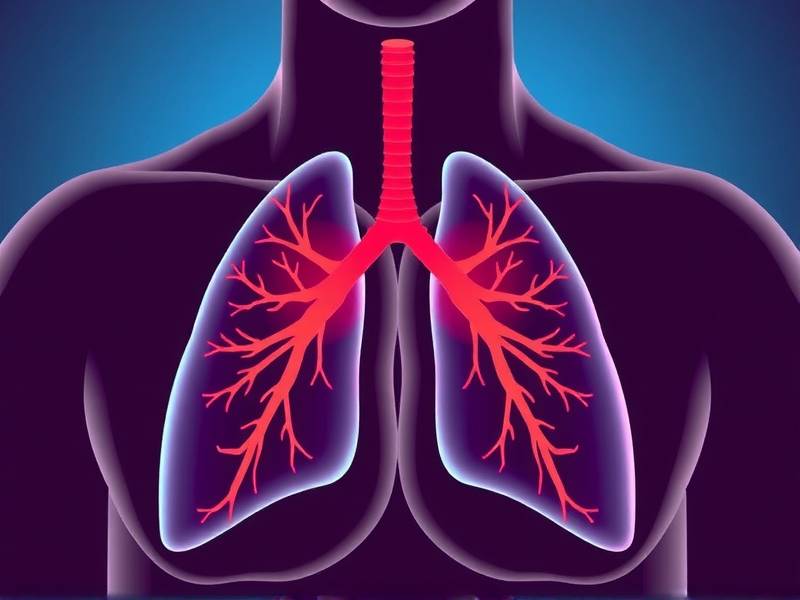
I. The Immediate Impact of Quitting Smoking When you quit smoking, your lungs immediately start to repair and regenerate. Here are some immediate changes you can expect:
-
Reduction in Carbon Monoxide Levels Carbon monoxide is a harmful gas produced by cigarettes that binds to hemoglobin in your blood, reducing its oxygen-carrying capacity. Within 12 hours of quitting, carbon monoxide levels drop significantly, allowing your body to transport more oxygen efficiently.
-
Improved Lung Function Your lung capacity begins to improve shortly after quitting. Within a few weeks, you may notice an increase in lung function and a decrease in shortness of breath.
II. Long-Term Lung Recovery The journey of lung recovery after quitting smoking is gradual but rewarding. Here's what happens over time:
A. Decreased Risk of Chronic Lung Diseases Quitting smoking significantly reduces the risk of developing chronic lung diseases such as chronic obstructive pulmonary disease (COPD) and emphysema.
B. Reduced Inflammation and Cilia Repair Your lungs' airways contain tiny hair-like structures called cilia that help remove mucus and trapped particles from the airways. Quitting smoking allows these cilia to repair and function more effectively, reducing inflammation and improving overall lung health.
C. Decreased Risk of Lung Cancer The risk of developing lung cancer decreases over time as your body repairs DNA damage caused by smoking.
III. Tips for Successful Smoking Cessation Quitting smoking is challenging, but with determination and support, it is achievable. Here are some tips to help you on your journey:
- Set a Specific Quit Date: Choose a date that works for you and prepare mentally for the challenge ahead.
- Create a Support System: Surround yourself with friends, family, or support groups who will encourage you throughout your journey.
- Identify Triggers: Recognize situations or emotions that make you want to smoke and find alternative coping strategies.
- Consider Medications or Nicotine Replacement Therapy: Consult with your healthcare provider about appropriate options for managing withdrawal symptoms.
- Stay Motivated: Remind yourself of the health benefits and improved quality of life that quitting smoking brings.
Conclusion: Quitting smoking is an essential step towards improving lung health and overall well-being. Understanding what happens to your lungs when you quit can provide motivation and encouragement throughout the process. Embrace this transformative journey towards a healthier life!