
How to Rebuild Lung Capacity After Quitting Smoking
"Reviving Your Lungs: A Guide to Rebuilding Lung Capacity After Quitting Smoking"
Introduction: Quitting smoking is a monumental step towards a healthier life. However, the journey doesn't end there. Many former smokers often wonder how to regain their lung capacity after years of smoking. This article will explore effective strategies and exercises to help you breathe easier and improve your lung health post-quitting.
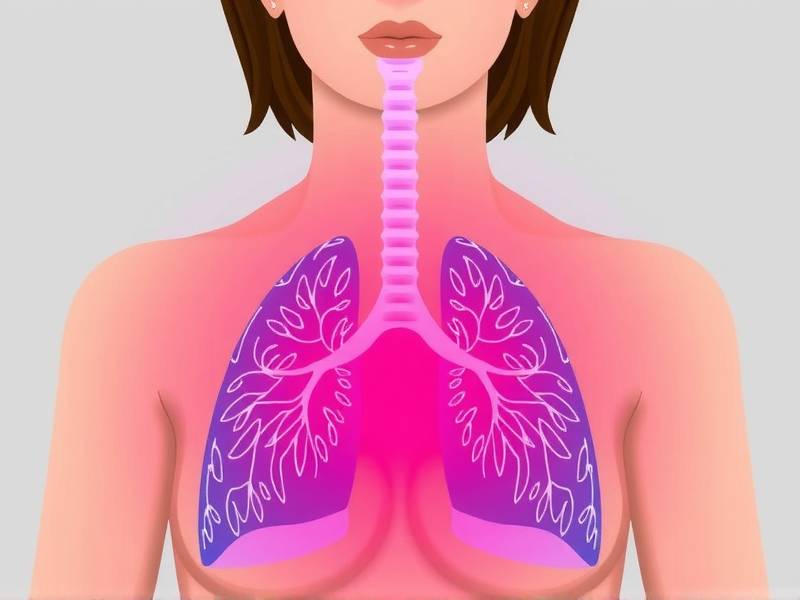
Understanding Lung Capacity
-
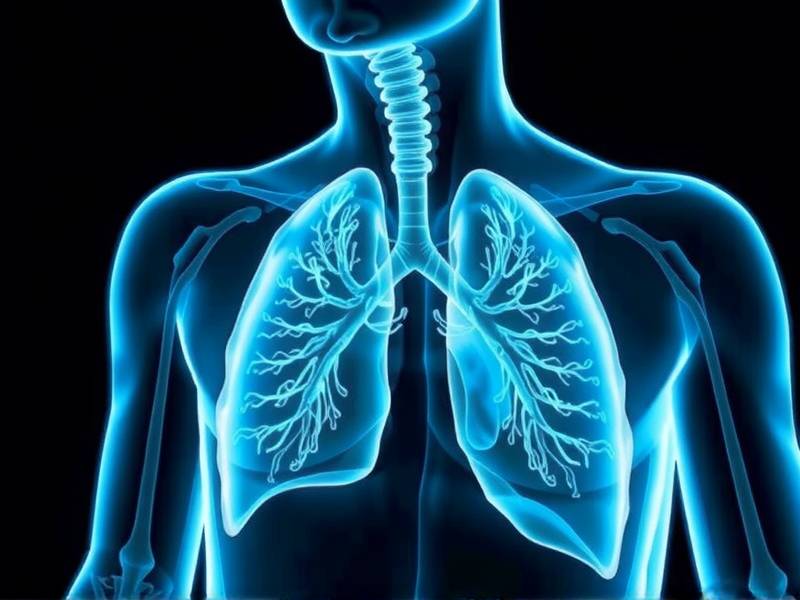
What is Lung Capacity? Lung capacity refers to the amount of air your lungs can hold. It's an essential measure of respiratory health, and unfortunately, smoking significantly diminishes this capacity.
-
The Impact of Smoking on Lung Capacity Smoking damages the delicate air sacs in your lungs, leading to reduced lung function and capacity. The longer you smoke, the more damage accumulates, making it crucial to take immediate action upon quitting.
Strategies for Rebuilding Lung Capacity
-
Avoid Secondhand Smoke Continuing exposure to secondhand smoke can hinder your lung recovery efforts. Make sure you're in smoke-free environments as much as possible.
-
Stay Hydrated Drinking plenty of water helps in removing toxins from your body and aids in maintaining healthy lung function.
-
Practice Breathing Exercises Breathing exercises can help improve lung function by increasing oxygen flow and expanding lung capacity.
- Pursed Lip Breathing: Inhale slowly through your nose, then exhale through pursed lips as if you are whistling.
- Belly Breathing: Lie down or sit comfortably and focus on breathing deeply into your belly rather than your chest.
-
Engage in Regular Physical Activity Exercise enhances overall lung health by improving cardiovascular fitness and strengthening respiratory muscles.
-
Quitting Smoking: The First Step The most significant step towards rebuilding lung capacity is quitting smoking altogether. Seek support from friends, family, or professional organizations like Smokefree.gov for guidance on cessation strategies.
-
Consult Healthcare Professionals Regular check-ups with a healthcare provider can monitor your progress and offer personalized advice for improving lung health.
Monitoring Progress
-
Use Peak Flow Meters Peak flow meters are devices that measure how much air you can forcefully exhale from your lungs in one second. Monitoring these readings can indicate improvements in lung capacity over time.
-
Stay Committed Improving lung capacity is a gradual process that requires dedication and patience. Stay committed to maintaining a smoke-free lifestyle and incorporating healthy habits into your daily routine.
Conclusion: Rebuilding lung capacity after quitting smoking is an achievable goal with dedication and patience. By adopting healthy habits, engaging in regular exercise, avoiding harmful substances, and seeking professional advice when needed, you can breathe easier and enjoy better overall health in the long run. Remember that every breath counts – take charge of your respiratory health today!