
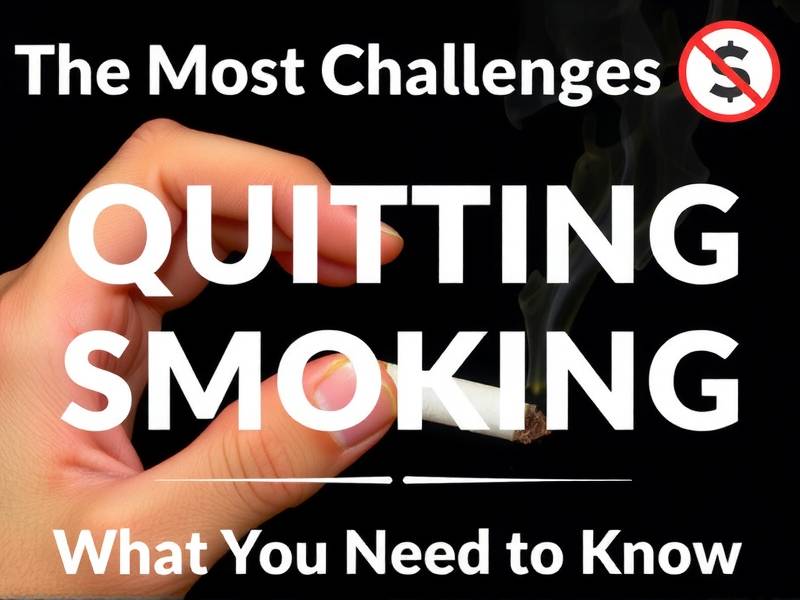
The Most Challenging Week of Quitting Smoking: What You Need to Know
Understanding the Stages of Smoking Cessation
Quitting smoking is a journey filled with various challenges, and one of the most difficult periods is often referred to as the "most challenging week." This period typically occurs around the third to fourth week after quitting, when withdrawal symptoms can become quite intense. Understanding these stages can help you navigate through this tough phase.
The First Three Days: Physical Withdrawal Sets In
The first few days after quitting, your body begins to experience withdrawal symptoms. These include cravings, irritability, headaches, and increased appetite. It's crucial to recognize that these symptoms are a sign that your body is trying to heal itself from years of tobacco exposure.
Week 3-4: Psychological Challenges Begin
As you enter the third and fourth week post-quit, psychological challenges start to surface. This is when many people report feeling overwhelmed by cravings and a sense of loss. It's important to remember that this phase doesn't last forever and that there are strategies you can employ to cope with it.
Strategies for Navigating the Most Challenging Week
1. Stay Hydrated and Eat Healthily
Drinking plenty of water and eating nutritious meals can help manage withdrawal symptoms. Foods rich in vitamins C and E, such as oranges, spinach, and nuts, can also support your body's healing process.
2. Exercise Regularly
Physical activity releases endorphins, which can boost your mood and reduce cravings. Even a short walk or yoga session can make a significant difference.

3. Seek Support
Connect with friends, family members, or support groups who understand what you're going through. Sharing your experiences can provide comfort and encouragement.
4. Use Nicotine Replacement Therapy (NRT) if Necessary
NRT products like patches or gum can help alleviate withdrawal symptoms by providing a controlled dose of nicotine without the harmful effects of smoking.
5. Practice Mindfulness Techniques
Mindfulness exercises such as meditation or deep breathing can help you stay grounded during moments of intense temptation.
The Importance of Patience
It's essential to be patient during this challenging week. Remember that it takes time for your body to adjust to life without tobacco products. As you push through this phase, you'll likely notice an improvement in your physical health and overall well-being.
Conclusion
The most challenging week of quitting smoking is a critical phase where many people struggle with withdrawal symptoms and psychological challenges. By understanding these stages and employing effective strategies for coping with them, you can increase your chances of successfully breaking free from the grip of nicotine addiction. Stay strong; it's worth it for your health!