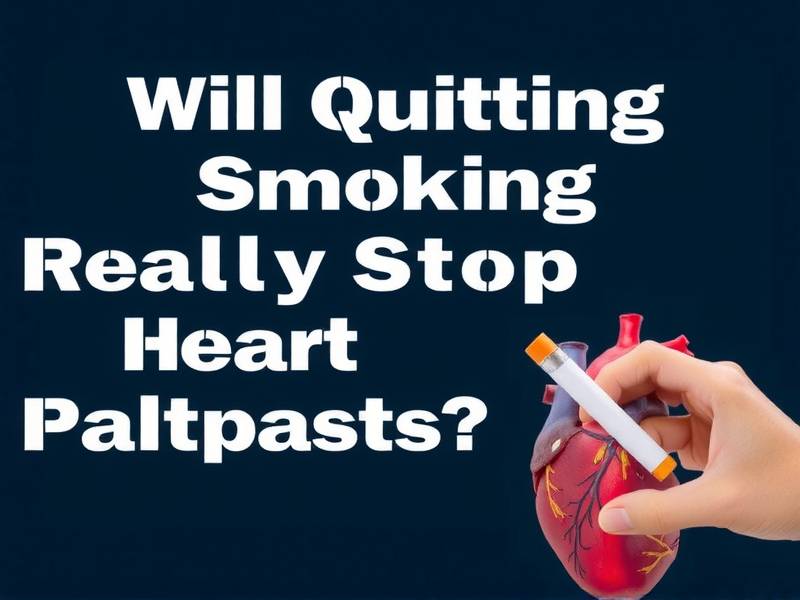
Will Quitting Smoking Really Stop Heart Palpitations?
Will Quitting Smoking Really Stop Heart Palpitations?
Introduction: Heart palpitations, or the sensation of a racing or irregular heartbeat, can be unsettling. For many smokers, this symptom often raises concerns about their heart health. The question on everyone's mind is: Will quitting smoking really stop heart palpitations? Let's delve into the relationship between smoking and heart palpitations to find out.
Understanding Heart Palpitations: Heart palpitations are common and usually harmless. They can be caused by various factors, including stress, dehydration, caffeine consumption, and certain medications. However, in some cases, they may indicate an underlying heart condition.

The Link Between Smoking and Heart Palpitations: Smoking has a significant impact on the cardiovascular system. It increases the risk of heart disease, stroke, and other cardiovascular conditions. One of the reasons for this is the harmful chemicals present in cigarettes that can damage the heart's electrical system.
When you smoke, these chemicals enter your bloodstream and affect your heart rate and rhythm. This can lead to irregular heartbeat patterns or palpitations. Quitting smoking can help reduce these risks and improve your heart health.
Will Quitting Smoking Stop Heart Palpitations? While quitting smoking may not immediately stop palpitations that are caused by other factors such as stress or dehydration, it can significantly reduce the chances of experiencing them due to smoking-related causes.
Research has shown that within 12-24 hours of quitting smoking, your blood pressure begins to drop. Over time, as your body heals from the damage caused by smoking, your risk of developing heart disease decreases significantly.
In addition to reducing the risk of developing new palpitations due to smoking-related causes, quitting smoking can also help alleviate existing palpitations. As your body becomes healthier and your heart's electrical system regains stability, you may notice a decrease in palpitation episodes.
Tips for Quitting Smoking: Quitting smoking is not an easy task but with determination and support from friends, family, or healthcare professionals, it is possible. Here are some tips to help you on your journey:
- Set a quit date: Choose a date within two weeks from now.
- Create a plan: Identify strategies that work for you.
- Seek support: Join a support group or talk to someone who has successfully quit.
- Avoid triggers: Stay away from places where you are likely to smoke.
- Reward yourself: Set small goals and celebrate when you achieve them.
- Consider medication: Consult with your doctor about nicotine replacement therapy or prescription medications.
Conclusion: Quitting smoking is beneficial for your overall health and can help reduce the occurrence of heart palpitations caused by smoking-related factors. While it may not immediately stop all palpitation episodes due to other causes like stress or dehydration, making the decision to quit is a significant step towards improving your heart health and overall well-being.
Remember that seeking professional advice from healthcare providers is essential if you have concerns about your heart health or if palpitations persist despite quitting smoking.