
How Long After You Quit Smoking Do the Cravings Stop?
Overcoming Smoking Cravings: A Journey Beyond the Cigarette

Introduction: The journey to quit smoking is a challenging one, filled with moments of temptation and struggle. One common question that plagues many smokers is, "How long after you quit smoking do the cravings stop?" Understanding this can be a significant step towards maintaining a smoke-free life.
Understanding Nicotine Withdrawal: Nicotine, the addictive substance in cigarettes, affects the brain's reward system. When you quit smoking, your body goes through a process called nicotine withdrawal. This withdrawal can trigger intense cravings that can last for varying lengths of time.
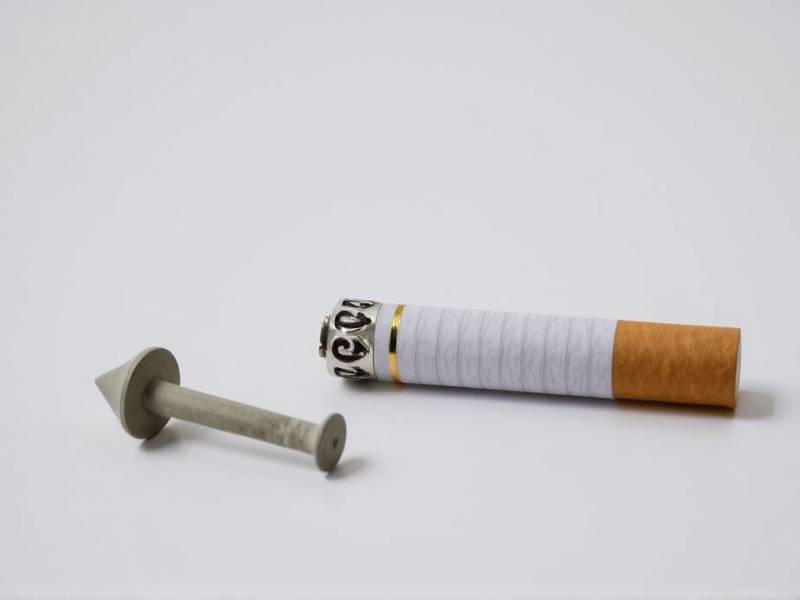
The Timeline of Cravings:
- Immediate Relief: Within minutes of quitting smoking, your body begins to rid itself of nicotine. This immediate relief may reduce some cravings temporarily.
- Initial Intensity: The first few days after quitting can be particularly challenging. During this time, you might experience heightened cravings due to the body's withdrawal symptoms.
- Gradual Reduction: After about two weeks, most people notice a significant reduction in their cravings as their body adjusts to being nicotine-free.
- Long-term Control: It's important to note that while cravings may decrease over time, they can still occur occasionally even months or years after quitting.
Strategies to Tackle Cravings:
- Stay Occupied: Keeping your mind and body busy can help distract from cravings.
- Seek Support: Share your journey with friends, family, or support groups to gain encouragement and advice.
- Healthy Habits: Engage in physical activities like walking or yoga to alleviate stress and manage cravings.
- Reward Yourself: Set small goals and reward yourself when you achieve them.
The Role of Medication: For some individuals, medication can be an effective tool in managing cravings and withdrawal symptoms. Options include nicotine replacement therapy (NRT) products like patches or gum, prescription medications like bupropion or varenicline, and over-the-counter medications like clonidine.
Long-term Success: The length of time it takes for cravings to completely disappear varies from person to person. However, it's crucial to remember that overcoming these cravings is a gradual process and requires patience and persistence.
Conclusion: Quitting smoking is a journey that demands resilience and determination. While the duration for which cravings persist may vary, understanding the timeline and implementing effective strategies can help make this journey more manageable. Embrace the challenges ahead with confidence and remember that each step forward brings you closer to a smoke-free life.